
About the Program
The Bachelor’s Degree Program of the Food Engineering Department is a 240 ECTS credits program of 4 years composed of eight semesters, each with a 30 ECTS workload. One ECTS is equal to 30 hours of student workload per semester.
The aim of the Food Engineering Department is to equip the students with the necessary skills to apply the principles and techniques of modern science and technology in engineering to the processing, preservation, distribution and marketing of food. To accomplish this objective, an understanding of the basic principles and techniques of many disciplines, including chemistry, physics, economics, engineering microbiology, management, nutrition and public health, must be incorporated. All the fundamental data and procedures concerning the theoretical and practical aspects of the food industry that involve the food chain from the production of raw materials to the consumption of the finished products by consumers fall into the scope of Food Engineering. There is a solid balance between theory and practice in the curriculum. Our graduates can easily cope with challenges of work in such areas as: cereals, dairy products, fruits and vegetables, meat, poultry and fish products or fabricated foods of the future. Producing high quality food with minimum cost, controlling every production step from manufacturing to marketing and consumption, solving problems that occur, assuring high quality products are some of the areas which our graduates are able to deal with successfully.
Our graduates having obtained comprehensive knowledge and skills about the recent developments in food engineering with a firm background in foreign language and computer skills will be able to find competitive jobs in their field both in Turkey and abroad as highly qualified professionals.
Program Objectives & Goals
Objectives
- Has the ability to identify professional problems and solve them with their engineering infrastructure.
- Adopting the idea of lifelong learning, knowing the ways to access information, constantly improving itself
- Effective and harmonious in innovative, entrepreneurial, individual or team work
- Train engineers who act in line with ethical values in their professional life.
- Strong analytical and numerical aptitude and excellent written and verbal communication skills
Program Learning Outcomes
KNOWLEDGE
- Sufficient knowledge in mathematics, science and engineering related to their branches; the ability to model and solve complex Food Engineering problems using theoretical and practical knowledge in these areas.
SKILL
- The ability to identify, describe, formulate and solve complex food engineering problems; for this purpose to select and apply modeling techniques with appropriate analytical methods.
- The ability to design a complex system in the field of Food Engineering, to analyze the system component under realistic constraints to analyze the process or product and to meet the required requirements, and to apply modern design methods in this direction.
- The ability to select and effectively use modern methods and information technologies for complex problems in Food Engineering applications.
- The ability to design, conduct experiments, collect data, and analyze and interpret results in order to examine complex problems and research topics in Food Engineering.
COMPETENCE
- The ability to work effectively and take responsibility in individual and multidisciplinary teams.
- Ability to communicate effectively in Turkish, written and oral, to write and understand effective reports, to be able to present effectively, to give clear and understandable instructions and to receive; at least one foreign language knowledge.
- Being aware of the necessity of lifelong learning; the ability to monitor developments in science and technology and constantly renew themselves,
- Professional and ethical responsibility awareness; the ability to be ethical and behave in accordance with ethical principles.
- Being knowledgeable about issues such as project management, risk management in business life; awareness of entrepreneurship, innovation and sustainability issues.
- Information on the effects of food engineering practices on the universal and social dimensions of issues such as employee health, environment and work safety; awareness of the legal consequences of engineering applications.
- Sufficient knowledge in mathematics, science and engineering related to their branches; the ability to model and solve complex Food Engineering problems using theoretical and practical knowledge in these areas.
- The ability to identify, describe, formulate and solve complex food engineering problems; for this purpose to select and apply modeling techniques with appropriate analytical methods.
- The ability to design a complex system in the field of Food Engineering, to analyze the system component under realistic constraints to analyze the process or product and to meet the required requirements, and to apply modern design methods in this direction.
- The ability to select and effectively use modern methods and information technologies for complex problems in Food Engineering applications.
- The ability to design, conduct experiments, collect data, and analyze and interpret results in order to examine complex problems and research topics in Food Engineering.
- The ability to work effectively and take responsibility in individual and multidisciplinary teams.
- Ability to communicate effectively in Turkish, written and oral, to write and understand effective reports, to be able to present effectively, to give clear and understandable instructions and to receive; at least one foreign language knowledge.
- Being aware of the necessity of lifelong learning; the ability to monitor developments in science and technology and constantly renew themselves,
- Professional and ethical responsibility awareness; the ability to be ethical and behave in accordance with ethical principles.
- Being knowledgeable about issues such as project management, risk management in business life; awareness of entrepreneurship, innovation and sustainability issues.
- Information on the effects of food engineering practices on the universal and social dimensions of issues such as employee health, environment and work safety; awareness of the legal consequences of engineering applications.
Relationship Between Programme Learning Outcomes and Objectives
| KNOWLEDGE | OBJECTIVE | T | % | |||||
|---|---|---|---|---|---|---|---|---|
| Theoretical / Conceptual | O1 | O2 | O3 | O4 | O5 | |||
| 1 | Sufficient knowledge in mathematics, science and engineering related to their branches; the ability to model and solve complex Food Engineering problems using theoretical and practical knowledge in these areas. | 5 VH ✔ | 5 VH ✔ | 5 VH ✔ | 5 VH ✔ | 5 VH ✔ | 25 | %100,00 |
| SKILL | OBJECTIVE | T | % | |||||
| Cognitive / Pratical | O1 | O2 | O3 | O4 | O5 | |||
| 1 | The ability to identify, describe, formulate and solve complex food engineering problems; for this purpose to select and apply modeling techniques with appropriate analytical methods. | 5 VH ✔ | 5 VH ✔ | 5 VH ✔ | 5 VH ✔ | 5 VH ✔ | 25 | %100,00 |
| 2 | The ability to design a complex system in the field of Food Engineering, to analyze the system component under realistic constraints to analyze the process or product and to meet the required requirements, and to apply modern design methods in this direction. | 5 VH ✔ | 5 VH ✔ | 5 VH ✔ | 5 VH ✔ | 5 VH ✔ | 25 | %100,00 |
| 3 | The ability to select and effectively use modern methods and information technologies for complex problems in Food Engineering applications. | 5 VH ✔ | 5 VH ✔ | 5 VH ✔ | 5 VH ✔ | 3 M ✔ | 23 | %92,00 |
| 4 | The ability to design, conduct experiments, collect data, and analyze and interpret results in order to examine complex problems and research topics in Food Engineering. | 5 VH ✔ | 5 VH ✔ | 5 VH ✔ | 5 VH ✔ | 5 VH ✔ | 25 | %100,00 |
| COMPETENCE | OBJECTIVE | T | % | |||||
| Learning Competence | O1 | O2 | O3 | O4 | O5 | |||
| 1 | The ability to work effectively and take responsibility in individual and multidisciplinary teams. | 5 VH ✔ | 5 VH ✔ | 5 VH ✔ | 5 VH ✔ | 5 VH ✔ | 25 | %100,00 |
| 2 | Professional and ethical responsibility awareness; the ability to be ethical and behave in accordance with ethical principles. | 5 VH ✔ | 5 VH ✔ | 5 VH ✔ | 5 VH ✔ | 5 VH ✔ | 25 | %100,00 |
| Competence to Work Independently and Take Responsibility | O1 | O2 | O3 | O4 | O5 | |||
| 1 | Ability to communicate effectively in Turkish, written and oral, to write and understand effective reports, to be able to present effectively, to give clear and understandable instructions and to receive; at least one foreign language knowledge. | 5 VH ✔ | 5 VH ✔ | 5 VH ✔ | 5 VH ✔ | 5 VH ✔ | 25 | %100,00 |
| Communication and Social Competence | O1 | O2 | O3 | O4 | O5 | |||
| 1 | Being aware of the necessity of lifelong learning; the ability to monitor developments in science and technology and constantly renew themselves, | 5 VH ✔ | 5 VH ✔ | 5 VH ✔ | 5 VH ✔ | 5 VH ✔ | 25 | %100,00 |
| 2 | Information on the effects of food engineering practices on the universal and social dimensions of issues such as employee health, environment and work safety; awareness of the legal consequences of engineering applications. | 5 VH ✔ | 5 VH ✔ | 5 VH ✔ | 5 VH ✔ | 5 VH ✔ | 25 | %100,00 |
| Field Specific Competence | O1 | O2 | O3 | O4 | O5 | |||
| 1 | Being knowledgeable about issues such as project management, risk management in business life; awareness of entrepreneurship, innovation and sustainability issues. | 5 VH ✔ | 5 VH ✔ | 5 VH ✔ | 5 VH ✔ | 5 VH ✔ | 25 | %100,00 |
| NUMBER OF PROGRAMME LEARNING OUTCOMES (11) | 11 | 11 | 11 | 11 | 11 | - | - | |
| WEIGHT | 55 | 55 | 55 | 55 | 53 | - | - | |
| PERCENTAGE | %100,00 | %100,00 | %100,00 | %100,00 | %96,36 | - | - | |
| CONTRIBUTION LEVEL - MEDIUM [3] (M) | 0 | 0 | 0 | 0 | 1 | |||
| CONTRIBUTION LEVEL - VERY HIGH [5] (VH) | 11 | 11 | 11 | 11 | 10 | |||
* T: Total, %: Percentage
O1 — Has the ability to identify professional problems and solve them with their engineering infrastructure.
O2 — Adopting the idea of lifelong learning, knowing the ways to access information, constantly improving itself
O3 — Effective and harmonious in innovative, entrepreneurial, individual or team work
O4 — Train engineers who act in line with ethical values in their professional life.
O5 — Strong analytical and numerical aptitude and excellent written and verbal communication skills
Teaching Methods
The most frequently used Instructional Methods of the educational programs of Istanbul Sabahattin Zaim University are given below.
- Expression
- Question-Answer
- Discussion
- Exercise and Practice
- Presentation
- Guided Practice
- Role Playing
- Group Study
- Simulation
- Brain Storming
- Six Hat
- Case Study
- Experiment - Test / Lab/ Workshop / Field Practice
- Self study
- Problem Solving
- Project Based Learning (Including Field Work)
Assessment Methods
The most frequently used Evaluation Methods of the educational programs of Istanbul Sabahattin Zaim University are given below.
- Testing (Essay / Tests: True-Falls, multiple-choice, short answer, matching)
- Oral Exam
- Homework
- Project / Design
- Portfolio
- Performance Assignment ( Lab / Workshop / Field Work / Seminar / Presentation / Completion Study / Thesis
Degree and Level Awarded
FOOD ENGINEERING is a Bachelor's Degree Programme with 240 ECTS Credits meets the minimum level (cycle) requirements, in terms of ECTS Credits and level descriptors, of the first cycle degree qualifications of the Overarching Framework of European Qualifications Framework of HE(QF-EHEA) as well as the 6th levels of qualifications of the both the Turkish Qualifications Framework for HE (TYYÇ, NQF-HETR) and the European Qualifications Framework for Lifelong Learning (EQF-LLL) in terms of the later.
Students, upon successfully completing this study programme is awarded the qualification of BACHELOR'S DEGREE IN FOOD ENGINEERING.
Admission Requirements
Admission of national students to the FOOD ENGINEERING programme is allowed through the nationally centralised Student Selection Examination (ÖSS) conducted by the Student Selection and Placement Centre (OSYM). For further information please visit General Admission Requirements and Registration Procedures in the menu items of the Information on the Institution and The Student Selection & Placement Centre (OSYM).
Admission of foreign students to the programme can be done upon an evaluation of the application of students directiy to the university. For further and detailed information please visit General Admission Requirements and Registration Procedures in the menu items of the Information on the Institution.
Graduation Requirements
The degree is awarded to students who successfully completes a minimum of 240 ECTS from the course units of the programme with a grade point average (GPA) of at least 2.00 out of 4.00.
Recognition of Prior Learning
Procedures to recognise prior learning (RPL), including non-formal and informal learning, is in an early stage of development in Turkey and there is no a comprehensive and enabling legislative framework at the national level in place yet. However, within the institutional autonomy respected there are some implementations at the institutional level for allocating credits towards exemption from some programme requirements on the basis of RPL. This is particularly a wide spread exercise implemented in cases that students, having a certain level of knowledge, skills and competencies in relation to fields such as foreign languages and computer use, prior to admission to the university, are subjected to an examination and if they are found successful to a certain degree required by the programme they have been admitted to, they are exempted from the relevant course units of the course programme. RPL is also practiced for students who wish to transfer their studies to the equal or an upper levels at an another institution including those from abroad in the same or similar fields. In such cases, students, having received some course units in a previous programme they had studied and having been successful, may be exempted from the same or similar course units of the programmes they are admitted to upon the approval the adaptation committees of the programmes.
Such procedures of recognition are also used comprehensively in practice at our university. The general arrangements for the recognition ofsuch implementations are outlined in the relevant section of our Education and Examination Regulations, Rules & Regulations for Graduate Programmes and that of Regulations for Lateral Transfer of Students.
Employment Opportunities
Graduates are working as engineers and managers in the fields of R&D, production, quality assurance, marketing, import and export of the food industry.
Students who successfully complete the program can apply to graduate and doctorate degrees in the field of Food Engineering or other disciplines that accept students from this field.
Access to Further Studies
The students graduating from this program may apply to second cycle programs.
Study Plan
1th Semester
Number of Compulsory Courses: 8 Number of Elective Courses: 0
| Code | Course Name | Type | Language of Instruction | T | P | L | H | ECTS | Cr. |
|---|---|---|---|---|---|---|---|---|---|
| BIM 159 | Computer and Information Technology | Compulsory | Turkish | 1 | 0 | 2 | 3 | 3 | 2 |
| FIZ 103 | Physics Lab I | Compulsory | Turkish | 0 | 0 | 2 | 2 | 2 | 1 |
| FIZ 105 | Physics I | Compulsory | Turkish | 3 | 0 | 0 | 3 | 4 | 3 |
| GIM 107 | General Biology | Compulsory | English | 2 | 0 | 0 | 2 | 3 | 2 |
| KIM 101 | General Chemistry | Compulsory | Turkish | 3 | 0 | 0 | 3 | 5 | 3 |
| MAT 115 | Mathematics I | Compulsory | English | 4 | 0 | 0 | 4 | 6 | 4 |
| TUR 101 | Turkish Language I | Compulsory | Turkish | 2 | 0 | 0 | 2 | 3 | 2 |
| YDL 105 | Advanced English I | Compulsory | English | 3 | 0 | 0 | 3 | 4 | 3 |
| Total: | 18 | 0 | 4 | 22 | 30,0 | 20,0 | |||
2nd Semester
Number of Compulsory Courses: 8 Number of Elective Courses: 0
| Code | Course Name | Type | Language of Instruction | T | P | L | H | ECTS | Cr. |
|---|---|---|---|---|---|---|---|---|---|
| FIZ 104 | Physics Lab II | Compulsory | Turkish | 0 | 0 | 2 | 2 | 2 | 1 |
| FIZ 106 | Physics II | Compulsory | Turkish | 3 | 0 | 0 | 3 | 4 | 3 |
| GIM 108 | Introduction to Food Engineering | Compulsory | Turkish | 3 | 0 | 0 | 3 | 4 | 3 |
| KIM 102 | Organic Chemistry | Compulsory | Turkish | 3 | 0 | 0 | 3 | 4 | 3 |
| MAT 116 | Mathematics II | Compulsory | English | 4 | 0 | 0 | 4 | 6 | 4 |
| TUR 102 | Turkish Language II | Compulsory | Turkish | 2 | 0 | 0 | 2 | 3 | 2 |
| YDL 106 | Advanced English II | Compulsory | English | 3 | 0 | 0 | 3 | 4 | 3 |
| IZU ORT-1 | IZU Common Elective | IZU Common Elective | Turkish | 2 | 0 | 0 | 2 | 3 | 2 |
| Total: | 20 | 0 | 2 | 22 | 30,0 | 21,0 | |||
3rd Semester
Number of Compulsory Courses: 8 Number of Elective Courses: 0
| Code | Course Name | Type | Language of Instruction | T | P | L | H | ECTS | Cr. |
|---|---|---|---|---|---|---|---|---|---|
| ATA 101 | Ataturk’s Principles and History of Turkish Revolution I | Compulsory | Turkish | 2 | 0 | 0 | 2 | 3 | 2 |
| GIM 219 | Food Chemistry I | Compulsory | English | 2 | 0 | 0 | 2 | 3 | 2 |
| GIM 233 | Energy and Mass Balances | Compulsory | Turkish | 3 | 0 | 0 | 3 | 5 | 3 |
| IST 201 | Probability and Statistics | Compulsory | Turkish | 3 | 0 | 0 | 3 | 5 | 3 |
| KIM 201 | Analytical Chemistry | Compulsory | Turkish | 2 | 0 | 0 | 2 | 3 | 2 |
| KIM 203 | Chemistry Laboratory | Compulsory | Turkish | 0 | 0 | 2 | 2 | 3 | 1 |
| MAT 222 | Differential Equations | Compulsory | English | 3 | 0 | 0 | 3 | 5 | 3 |
| IZU ORT-2 | IZU Common Elective | IZU Common Elective | Turkish | 2 | 0 | 0 | 2 | 3 | 2 |
| Total: | 17 | 0 | 2 | 19 | 30,0 | 18,0 | |||
4th Semester
Number of Compulsory Courses: 8 Number of Elective Courses: 0
| Code | Course Name | Type | Language of Instruction | T | P | L | H | ECTS | Cr. |
|---|---|---|---|---|---|---|---|---|---|
| ATA 102 | Ataturk’s Principles and History of Turkish Revolution II | Compulsory | Turkish | 2 | 0 | 0 | 2 | 3 | 2 |
| GIM 218 | Thermodynamics | Compulsory | English | 2 | 0 | 0 | 2 | 4 | 2 |
| GIM 222 | Fluid Mechanics | Compulsory | English | 2 | 0 | 0 | 2 | 4 | 2 |
| GIM 224 | General Microbiology | Compulsory | Turkish | 2 | 0 | 2 | 4 | 5 | 3 |
| GIM 226 | Food Chemistry II | Compulsory | Turkish | 2 | 0 | 0 | 2 | 3 | 2 |
| GIM 230 | Computer Aided Drafting | Compulsory | English | 1 | 2 | 0 | 3 | 5 | 2 |
| GIM 232 | Occupational Health anf Safety in Food Engineering | Compulsory | Turkish | 2 | 0 | 0 | 2 | 3 | 2 |
| IZU ORT-3 | IZU Common Elective | IZU Common Elective | Turkish | 2 | 0 | 0 | 2 | 3 | 2 |
| Total: | 15 | 2 | 2 | 19 | 30,0 | 17,0 | |||
5th Semester
Number of Compulsory Courses: 7 Number of Elective Courses: 0
| Code | Course Name | Type | Language of Instruction | T | P | L | H | ECTS | Cr. |
|---|---|---|---|---|---|---|---|---|---|
| GIM 301 | Food Analysis | Compulsory | English | 2 | 0 | 2 | 4 | 4 | 3 |
| GIM 337 | Food Microbiology | Compulsory | Turkish | 2 | 0 | 1 | 3 | 3 | 2.5 |
| GIM 340 | Meat Technology | Compulsory | Turkish | 3 | 0 | 0 | 3 | 5 | 3 |
| GIM 343 | Engineering Unit Operations I | Compulsory | Turkish | 3 | 0 | 0 | 3 | 4 | 3 |
| GIM 345 | Heat and Mass Transfer | Compulsory | English | 3 | 0 | 0 | 3 | 4 | 3 |
| GIM 319 | Internship I | Internship | Turkish | 0 | 0 | 0 | 0 | 5 | 0 |
| BLS 001 | Departmental Elective Course | Departmental Elective | Turkish | 3 | 0 | 0 | 3 | 5 | 3 |
| Total: | 16 | 0 | 3 | 19 | 30,0 | 17,5 | |||
5th Semester Elective Courses
| Code | Course Name | Type | Language of Instruction | T | P | L | H | ECTS | Cr. |
|---|---|---|---|---|---|---|---|---|---|
| GIM 347 | Food Machinery, Equipments and Material Cognisance | Departmental Elective | Turkish | 3 | 0 | 0 | 3 | 5 | 3 |
| GIM 349 | Food Economics | Departmental Elective | Turkish | 3 | 0 | 0 | 3 | 5 | 3 |
| GIM 351 | Fruit and Vegetable Technology | Departmental Elective | Turkish | 3 | 0 | 0 | 3 | 5 | 3 |
| GIM 353 | Food Packaging | Departmental Elective | Turkish | 3 | 0 | 0 | 3 | 5 | 3 |
| Total: | 12 | 0 | 0 | 12 | 20,0 | 12,0 | |||
6th Semester
Number of Compulsory Courses: 7 Number of Elective Courses: 0
| Code | Course Name | Type | Language of Instruction | T | P | L | H | ECTS | Cr. |
|---|---|---|---|---|---|---|---|---|---|
| GIM 342 | Reaction Kinetics | Compulsory | English | 2 | 0 | 0 | 2 | 3 | 2 |
| GIM 346 | Engineering Unit Operations II | Compulsory | English | 2 | 0 | 2 | 4 | 4 | 3 |
| GIM 350 | Vegetable Oil Technology | Compulsory | Turkish | 3 | 0 | 0 | 3 | 5 | 3 |
| GIM 358 | Grain Processing Technology | Compulsory | English | 3 | 0 | 0 | 3 | 5 | 3 |
| GIM 360 | Dairy Technology | Compulsory | Turkish | 3 | 0 | 0 | 3 | 5 | 3 |
| MUH 302 | Interdisciplinary Research and Practice Design | Compulsory | Turkish | 1 | 0 | 0 | 1 | 3 | 1 |
| BLS 001 | Departmental Elective Course | Departmental Elective | Turkish | 3 | 0 | 0 | 3 | 5 | 3 |
| Total: | 17 | 0 | 2 | 19 | 30,0 | 18,0 | |||
6th Semester Elective Courses
| Code | Course Name | Type | Language of Instruction | T | P | L | H | ECTS | Cr. |
|---|---|---|---|---|---|---|---|---|---|
| GIM 336 | Current Marketing Techniques in Food Engineering | Departmental Elective | Turkish | 3 | 0 | 0 | 3 | 5 | 3 |
| GIM 352 | Fishery Technology | Departmental Elective | Turkish | 3 | 0 | 0 | 3 | 5 | 3 |
| GIM 354 | Food Additives and Toxicology | Departmental Elective | Turkish | 3 | 0 | 0 | 3 | 5 | 3 |
| GIM 356 | Enzyme Science and Technology | Departmental Elective | Turkish | 3 | 0 | 0 | 3 | 5 | 3 |
| Total: | 12 | 0 | 0 | 12 | 20,0 | 12,0 | |||
7th Semester
Number of Compulsory Courses: 8 Number of Elective Courses: 0
| Code | Course Name | Type | Language of Instruction | T | P | L | H | ECTS | Cr. |
|---|---|---|---|---|---|---|---|---|---|
| GIM 405 | Food Hygiene and Sanitation | Compulsory | Turkish | 3 | 0 | 0 | 3 | 5 | 3 |
| GIM 443 | Process Control | Compulsory | English | 2 | 0 | 0 | 2 | 3 | 2 |
| GIM 451 | Food Technology Laboratory I | Compulsory | Turkish | 0 | 0 | 2 | 2 | 2 | 1 |
| GIM 453 | Bitirme Projesi Tasarımı | Compulsory | Turkish | 1 | 1 | 0 | 2 | 2 | 1.5 |
| BLS 001 | Departmental Elective Course | Departmental Elective | Turkish | 3 | 0 | 0 | 3 | 5 | 3 |
| BLS 002 | Departmental Elective Course | Departmental Elective | Turkish | 3 | 0 | 0 | 3 | 5 | 3 |
| BLS 003 | Departmental Elective Course | Departmental Elective | Turkish | 3 | 0 | 0 | 3 | 5 | 3 |
| IZU ORT-4 | IZU Common Elective | IZU Common Elective | English | 2 | 0 | 0 | 2 | 3 | 2 |
| Total: | 17 | 1 | 2 | 20 | 30,0 | 18,5 | |||
7th Semester Elective Courses
| Code | Course Name | Type | Language of Instruction | T | P | L | H | ECTS | Cr. |
|---|---|---|---|---|---|---|---|---|---|
| GIM 455 | Special Foods | Departmental Elective | Turkish | 3 | 0 | 0 | 3 | 5 | 3 |
| GIM 457 | Fermentation Technology | Departmental Elective | Turkish | 3 | 0 | 0 | 3 | 5 | 3 |
| GIM 459 | Food Waste Management and Environment | Departmental Elective | Turkish | 3 | 0 | 0 | 3 | 5 | 3 |
| GIM 461 | Product Development and Sensory Analysis | Departmental Elective | Turkish | 3 | 0 | 0 | 3 | 5 | 3 |
| GIM 463 | Entrepreneurship and Design in Food Engineering | Departmental Elective | Turkish | 3 | 0 | 0 | 3 | 5 | 3 |
| GIM 465 | Quality Management Systems | Departmental Elective | Turkish | 3 | 0 | 0 | 3 | 5 | 3 |
| GIM 467 | Polymer Materials in Food Engineering | Departmental Elective | Turkish | 3 | 0 | 0 | 3 | 5 | 3 |
| MBG 404 | Bioanalytical Methods | Departmental Elective | Turkish | 3 | 0 | 0 | 3 | 5 | 3 |
| MBG 422 | Immunology | Departmental Elective | Turkish | 3 | 0 | 0 | 3 | 5 | 3 |
| Total: | 27 | 0 | 0 | 27 | 45,0 | 27,0 | |||
8th Semester
Number of Compulsory Courses: 7 Number of Elective Courses: 0
| Code | Course Name | Type | Language of Instruction | T | P | L | H | ECTS | Cr. |
|---|---|---|---|---|---|---|---|---|---|
| BLS 001 | Departmental Elective Course | Departmental Elective | Turkish | 3 | 0 | 0 | 3 | 5 | 3 |
| BLS 002 | Departmental Elective Course | Departmental Elective | Turkish | 3 | 0 | 0 | 3 | 5 | 3 |
| BLS 003 | Departmental Elective Course | Departmental Elective | Turkish | 3 | 0 | 0 | 3 | 5 | 3 |
| BLS 004 | Departmental Elective Course | Departmental Elective | Turkish | 3 | 0 | 0 | 3 | 5 | 3 |
| BLS 005 | Departmental Elective Course | Departmental Elective | Turkish | 3 | 0 | 0 | 3 | 5 | 3 |
| BLS 006 | Departmental Elective Course | Departmental Elective | Turkish | 0 | 0 | 2 | 2 | 2 | 1 |
| GIM 460 | Graduation Project | Graduation Study | Turkish | 0 | 2 | 0 | 2 | 3 | 1 |
| Total: | 15 | 2 | 2 | 19 | 30,0 | 17,0 | |||
8th Semester Elective Courses
| Code | Course Name | Type | Language of Instruction | T | P | L | H | ECTS | Cr. |
|---|---|---|---|---|---|---|---|---|---|
| GIM 462 | Innovative Approaches in Food Engineering | Departmental Elective | Turkish | 3 | 0 | 0 | 3 | 5 | 3 |
| GIM 464 | Food Preservation Techniques | Departmental Elective | Turkish | 3 | 0 | 0 | 3 | 5 | 3 |
| GIM 466 | Food Preservation Techniques | Departmental Elective | Turkish | 3 | 0 | 0 | 3 | 5 | 3 |
| GIM 468 | Functional Foods | Departmental Elective | Turkish | 3 | 0 | 0 | 3 | 5 | 3 |
| GIM 470 | Food Legislation and Labeling | Departmental Elective | Turkish | 3 | 0 | 0 | 3 | 5 | 3 |
| GIM 472 | Halal-Kosher Foods and Ethics | Departmental Elective | Turkish | 3 | 0 | 0 | 3 | 5 | 3 |
| GIM 474 | Food Biotechnology | Departmental Elective | Turkish | 3 | 0 | 0 | 3 | 5 | 3 |
| GIM 476 | Food And Nutrition | Departmental Elective | Turkish | 3 | 0 | 0 | 3 | 5 | 3 |
| GIM 478 | Food Technology Laboratory II | Departmental Elective | Turkish | 0 | 0 | 2 | 2 | 2 | 1 |
| GIM 480 | Engineering Application in Business | Departmental Elective | Turkish | 4 | 0 | 0 | 4 | 27 | 4 |
| GIM 482 | Introduction to Food Nanotechnology | Departmental Elective | Turkish | 3 | 0 | 0 | 3 | 5 | 3 |
| MBG 423 | Nutrigenomics | Departmental Elective | Turkish | 3 | 0 | 0 | 3 | 5 | 3 |
| Total: | 34 | 0 | 2 | 36 | 79,0 | 35,0 | |||
Course Load Summary
| Course Load Summary | T | P | L | H | ECTS | Cr. |
|---|---|---|---|---|---|---|
| Grand Total (Number of Courses: 61) | 135 | 5 | 19 | 159 | 240,0 | 147,0 |
| Compulsory Course Total (Number of Courses: 46) | 97 | 5 | 17 | 119 | 176,0 | 108,0 |
| Elective Course Total (Number of Courses: 15) | 38 | 0 | 2 | 40 | 64,0 | 39,0 |
| Course Type | Number of Courses | Ratio (%) |
|---|---|---|
| Zorunlu Ders | 46 | 75,41 |
| Seçmeli Ders | 15 | 24,59 |
| Bölüm Dışı Seçmeli Ders | 7 | 11,48 |
T: Theory, P: Practice, L: Laboratory, WCH: Weekly Course Hours, ECTS: European Credit Transfer System, Cr.: Credit
Core Area Distribution
| Core Area | Total ECTS | Ratio (%) |
|---|---|---|
| Engineering and Engineering Trades | 45.3 | 20% |
| Physical Sciences | 33.5 | 14.8% |
| Engineering and Engineering Trades | 26.2 | 11.6% |
| Mathematics and Statistics | 23.6 | 10.4% |
| Humanities | 19.1 | 8.4% |
| Manufacturing and Processing | 17.4 | 7.7% |
| Business and Administration | 11.1 | 4.9% |
| Manufacturing and Processing | 9.3 | 4.1% |
| Physical Sciences | 8.8 | 3.9% |
| Health | 6.4 | 2.8% |
| Life Sciences | 3.9 | 1.7% |
| Computing | 3.8 | 1.7% |
| Life Sciences | 3.3 | 1.5% |
| Agriculture, Forestry and Fishery | 3 | 1.3% |
| Unknown / Unspecified | 3 | 1.3% |
| Agriculture, Forestry and Fishery | 2 | 0.9% |
| Mathematics and Statistics | 1.8 | 0.8% |
| Veterinary | 1.5 | 0.7% |
| Social and Behavioural Science | 1.2 | 0.5% |
| Health | 0.8 | 0.4% |
| Security Services | 0.8 | 0.4% |
| Social and Behavioural Science | 0.6 | 0.3% |
Course Category List
Compulsory Courses
| Course | ECTS | Ratio (%) |
|---|---|---|
| ATA 101 - Ataturk’s Principles and History of Turkish Revolution I | 3 | |
| 22 - Humanities | %90 | |
| 31 - Social and Behavioural Science | %10 | |
| ATA 102 - Ataturk’s Principles and History of Turkish Revolution II | 3 | |
| 22 - Humanities | %90 | |
| 31 - Social and Behavioural Science | %10 | |
| BIM 159 - Computer and Information Technology | 3 | |
| 48 - Computing | %100 | |
| FIZ 103 - Physics Lab I | 2 | |
| 44 - Physical Sciences | %100 | |
| FIZ 104 - Physics Lab II | 2 | |
| 46 - Mathematics and Statistics | %20 | |
| 52 - Engineering and Engineering Trades | %80 | |
| FIZ 105 - Physics I | 4 | |
| 44 - Physical Sciences | %100 | |
| FIZ 106 - Physics II | 4 | |
| 48 - Computing | %20 | |
| 52 - Engineering and Engineering Trades | %80 | |
| GIM 107 - General Biology | 3 | |
| 42 - Life Sciences | %60 | |
| 44 - Physical Sciences | %40 | |
| GIM 108 - Introduction to Food Engineering | 4 | |
| 22 - Humanities | %10 | |
| 44 - Physical Sciences | %50 | |
| 46 - Mathematics and Statistics | %10 | |
| 52 - Engineering and Engineering Trades | %30 | |
| GIM 218 - Thermodynamics | 4 | |
| 42 - Life Sciences | %10 | |
| 44 - Physical Sciences | %70 | |
| 46 - Mathematics and Statistics | %20 | |
| GIM 219 - Food Chemistry I | 3 | |
| 44 - Physical Sciences | %100 | |
| GIM 222 - Fluid Mechanics | 4 | |
| 46 - Mathematics and Statistics | %30 | |
| 52 - Engineering and Engineering Trades | %70 | |
| GIM 224 - General Microbiology | 5 | |
| 22 - Humanities | %10 | |
| 52 - Engineering and Engineering Trades | %90 | |
| GIM 226 - Food Chemistry II | 3 | |
| 44 - Physical Sciences | %50 | |
| 52 - Engineering and Engineering Trades | %50 | |
| GIM 230 - Computer Aided Drafting | 5 | |
| 52 - Engineering and Engineering Trades | %50 | |
| 54 - Manufacturing and Processing | %50 | |
| GIM 232 - Occupational Health anf Safety in Food Engineering | 3 | |
| 52 - Engineering and Engineering Trades | %50 | |
| 72 - Health | %25 | |
| 86 - Security Services | %25 | |
| GIM 301 - Food Analysis | 4 | |
| 46 - Mathematics and Statistics | %20 | |
| 52 - Engineering and Engineering Trades | %30 | |
| 62 - Agriculture, Forestry and Fishery | %50 | |
| GIM 319 - Internship I | 5 | |
| 52 - Engineering and Engineering Trades | %90 | |
| GIM 337 - Food Microbiology | 3 | |
| 42 - Life Sciences | %30 | |
| 44 - Physical Sciences | %40 | |
| 54 - Manufacturing and Processing | %30 | |
| GIM 340 - Meat Technology | 5 | |
| 44 - Physical Sciences | %20 | |
| 54 - Manufacturing and Processing | %50 | |
| 64 - Veterinary | %30 | |
| GIM 342 - Reaction Kinetics | 3 | |
| 46 - Mathematics and Statistics | %60 | |
| 54 - Manufacturing and Processing | %40 | |
| GIM 345 - Heat and Mass Transfer | 4 | |
| 46 - Mathematics and Statistics | %20 | |
| 52 - Engineering and Engineering Trades | %50 | |
| 54 - Manufacturing and Processing | %30 | |
| GIM 405 - Food Hygiene and Sanitation | 5 | |
| 52 - Engineering and Engineering Trades | %90 | |
| GIM 443 - Process Control | 3 | |
| 44 - Physical Sciences | %50 | |
| 46 - Mathematics and Statistics | %20 | |
| 52 - Engineering and Engineering Trades | %30 | |
| GIM 451 - Food Technology Laboratory I | 2 | |
| 52 - Engineering and Engineering Trades | %60 | |
| 54 - Manufacturing and Processing | %40 | |
| GIM 453 - Bitirme Projesi Tasarımı | 2 | |
| 52 - Engineering and Engineering Trades | %100 | |
| IST 201 - Probability and Statistics | 5 | |
| 46 - Mathematics and Statistics | %75 | |
| 52 - Engineering and Engineering Trades | %25 | |
| KIM 101 - General Chemistry | 5 | |
| 44 - Physical Sciences | %100 | |
| KIM 102 - Organic Chemistry | 4 | |
| 42 - Life Sciences | %20 | |
| 44 - Physical Sciences | %80 | |
| KIM 201 - Analytical Chemistry | 3 | |
| 44 - Physical Sciences | %70 | |
| 46 - Mathematics and Statistics | %15 | |
| 52 - Engineering and Engineering Trades | %10 | |
| 54 - Manufacturing and Processing | %5 | |
| KIM 203 - Chemistry Laboratory | 3 | |
| 44 - Physical Sciences | %100 | |
| MAT 115 - Mathematics I | 6 | |
| 46 - Mathematics and Statistics | %60 | |
| 52 - Engineering and Engineering Trades | %40 | |
| MAT 116 - Mathematics II | 6 | |
| 46 - Mathematics and Statistics | %100 | |
| MAT 222 - Differential Equations | 5 | |
| 46 - Mathematics and Statistics | %60 | |
| 52 - Engineering and Engineering Trades | %40 | |
| MUH 302 - Interdisciplinary Research and Practice Design | 3 | |
| 52 - Engineering and Engineering Trades | %100 | |
| TUR 101 - Turkish Language I | 3 | |
| 22 - Humanities | %100 | |
| TUR 102 - Turkish Language II | 3 | |
| 22 - Humanities | %100 | |
| YDL 105 - Advanced English I | 4 | |
| 22 - Humanities | %70 | |
| 52 - Engineering and Engineering Trades | %30 | |
| YDL 106 - Advanced English II | 4 | |
| 22 - Humanities | %100 |
Elective Courses
| Course | ECTS | Ratio (%) |
|---|---|---|
| GIM 336 - Current Marketing Techniques in Food Engineering | 5 | |
| 34 - Business and Administration | %50 | |
| 46 - Mathematics and Statistics | %25 | |
| 54 - Manufacturing and Processing | %25 | |
| GIM 354 - Food Additives and Toxicology | 5 | |
| 52 - Engineering and Engineering Trades | %50 | |
| 62 - Agriculture, Forestry and Fishery | %20 | |
| 72 - Health | %30 | |
| GIM 457 - Fermentation Technology | 5 | |
| 42 - Life Sciences | %20 | |
| 52 - Engineering and Engineering Trades | %30 | |
| 54 - Manufacturing and Processing | %50 | |
| GIM 460 - Graduation Project | 3 | |
| 31 - Social and Behavioural Science | %40 | |
| 52 - Engineering and Engineering Trades | %60 | |
| GIM 461 - Product Development and Sensory Analysis | 5 | |
| 34 - Business and Administration | %10 | |
| 52 - Engineering and Engineering Trades | %30 | |
| 54 - Manufacturing and Processing | %30 | |
| 62 - Agriculture, Forestry and Fishery | %30 | |
| GIM 464 - Food Preservation Techniques | 5 | |
| 52 - Engineering and Engineering Trades | %50 | |
| 54 - Manufacturing and Processing | %50 | |
| GIM 466 - Food Preservation Techniques | 5 | |
| 52 - Engineering and Engineering Trades | %40 | |
| 99 - Unknown / Unspecified | %60 | |
| GIM 467 - Polymer Materials in Food Engineering | 5 | |
| 42 - Life Sciences | %10 | |
| 44 - Physical Sciences | %70 | |
| 46 - Mathematics and Statistics | %10 | |
| 54 - Manufacturing and Processing | %10 | |
| GIM 474 - Food Biotechnology | 5 | |
| 42 - Life Sciences | %35 | |
| 44 - Physical Sciences | %35 | |
| 52 - Engineering and Engineering Trades | %30 | |
| GIM 476 - Food And Nutrition | 5 | |
| 44 - Physical Sciences | %10 | |
| 52 - Engineering and Engineering Trades | %30 | |
| 62 - Agriculture, Forestry and Fishery | %10 | |
| 72 - Health | %50 | |
| GIM 478 - Food Technology Laboratory II | 2 | |
| 52 - Engineering and Engineering Trades | %30 | |
| 54 - Manufacturing and Processing | %50 | |
| 72 - Health | %20 | |
| GIM 480 - Engineering Application in Business | 27 | |
| 34 - Business and Administration | %30 | |
| 52 - Engineering and Engineering Trades | %40 | |
| 54 - Manufacturing and Processing | %30 | |
| MBG 422 - Immunology | 5 | |
| 44 - Physical Sciences | %60 | |
| 72 - Health | %40 |
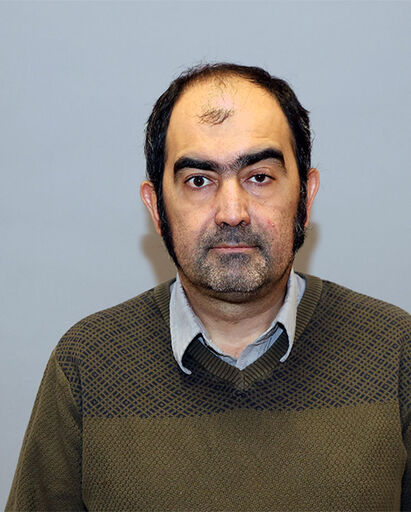
 ibrahim.gulseren@izu.edu.tr 0212 692 96 19
 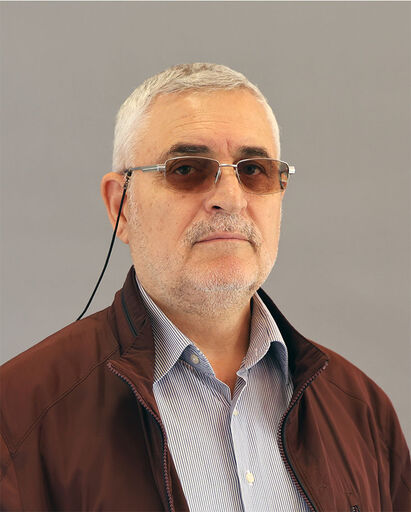 hasan.yetim@izu.edu.tr 0212 692 87 70
 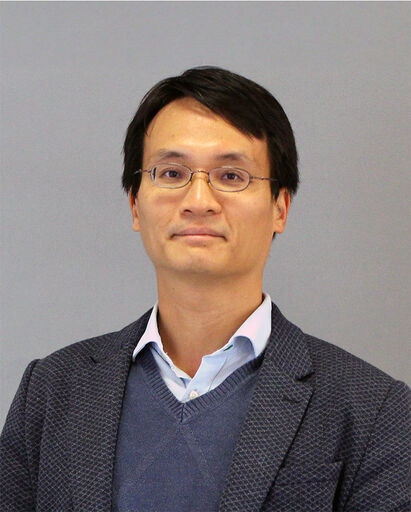 chi.lee@izu.edu.tr 0212 692 88 07
  hatice.kirtil@izu.edu.tr 0212 692 98 20
 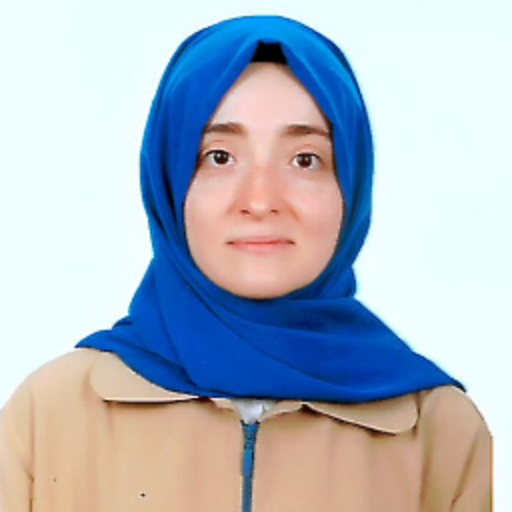 yasemin.kucukata@izu.edu.tr 0212 692 96 47