
About the Program
The general aim of the Primary School Teaching Master's Program is; To provide students with knowledge, skills and attitudes related to primary school teaching at the postgraduate level and to help them specialize in the field, as well as to support them to do theoretical and applied studies.
Program Objectives & Goals
Objectives
- Develops and deepens the general knowledge of educational science within the framework of basic theory and practices in the field of classroom education.
- Will be able to comprehend the relations between theory and practice related to classroom education.
- Can independently conduct the scientific research process related to the field of classroom education.
- Develop solutions to problems related to classroom education by using quantitative and qualitative scientific research methods.
- Evaluates current developments in the field of classroom education in line with national values and country realities.
Program Learning Outcomes
KNOWLEDGE
- To provide theoretical knowledge to those who work and will work in educational institutions.
- To increase the professional competencies of teachers and administrators working in educational institutions
- It is to introduce contemporary practices and to provide them with the necessary guidance on how to benefit from them while performing their duties.
SKILL
- It is to give practical skills along with theoretical knowledge to those who work and will work in educational institutions, and to train managers with a scientific understanding.
COMPETENCE
- To contribute to the training of individuals who have the competence to comprehend, interpret and apply theories, models and research methods in their fields of study.
- To have the competencies to comprehend, interpret and apply educational models and research methods
- To provide theoretical knowledge to those who work and will work in educational institutions.
- It is to give practical skills along with theoretical knowledge to those who work and will work in educational institutions, and to train managers with a scientific understanding.
- To increase the professional competencies of teachers and administrators working in educational institutions
- To contribute to the training of individuals who have the competence to comprehend, interpret and apply theories, models and research methods in their fields of study.
- It is to introduce contemporary practices and to provide them with the necessary guidance on how to benefit from them while performing their duties.
- To have the competencies to comprehend, interpret and apply educational models and research methods
| Subject-Specific Qualifications | Programme Learning Outcomes |
|---|---|
| KNOWLEDGE | |
| Theoretical / Conceptual | |
|
|
| SKILL | |
| Cognitive / Pratical | |
|
|
| COMPETENCE | |
| Learning Competence | |
|
|
| Field Specific Competence | |
|
|
Relationship Between Programme Learning Outcomes and Objectives
| KNOWLEDGE | OBJECTIVE | T | % | |||||
|---|---|---|---|---|---|---|---|---|
| Theoretical / Conceptual | O1 | O2 | O3 | O4 | O5 | |||
| 1 | To provide theoretical knowledge to those who work and will work in educational institutions. | 5 VH ✔ | 5 VH ✔ | 5 VH ✔ | 5 VH ✔ | 5 VH ✔ | 25 | %100,00 |
| 2 | To increase the professional competencies of teachers and administrators working in educational institutions | 5 VH ✔ | 5 VH ✔ | 5 VH ✔ | 5 VH ✔ | 5 VH ✔ | 25 | %100,00 |
| 3 | It is to introduce contemporary practices and to provide them with the necessary guidance on how to benefit from them while performing their duties. | 5 VH ✔ | 5 VH ✔ | 5 VH ✔ | 5 VH ✔ | 5 VH ✔ | 25 | %100,00 |
| SKILL | OBJECTIVE | T | % | |||||
| Cognitive / Pratical | O1 | O2 | O3 | O4 | O5 | |||
| 1 | It is to give practical skills along with theoretical knowledge to those who work and will work in educational institutions, and to train managers with a scientific understanding. | 5 VH ✔ | 5 VH ✔ | 5 VH ✔ | 5 VH ✔ | 5 VH ✔ | 25 | %100,00 |
| COMPETENCE | OBJECTIVE | T | % | |||||
| Learning Competence | O1 | O2 | O3 | O4 | O5 | |||
| 1 | To contribute to the training of individuals who have the competence to comprehend, interpret and apply theories, models and research methods in their fields of study. | 5 VH ✔ | 5 VH ✔ | 5 VH ✔ | 5 VH ✔ | 5 VH ✔ | 25 | %100,00 |
| Field Specific Competence | O1 | O2 | O3 | O4 | O5 | |||
| 1 | To have the competencies to comprehend, interpret and apply educational models and research methods | 5 VH ✔ | 5 VH ✔ | 5 VH ✔ | 5 VH ✔ | 5 VH ✔ | 25 | %100,00 |
| NUMBER OF PROGRAMME LEARNING OUTCOMES (6) | 6 | 6 | 6 | 6 | 6 | - | - | |
| WEIGHT | 30 | 30 | 30 | 30 | 30 | - | - | |
| PERCENTAGE | %100,00 | %100,00 | %100,00 | %100,00 | %100,00 | - | - | |
| CONTRIBUTION LEVEL - VERY HIGH [5] (VH) | 6 | 6 | 6 | 6 | 6 | |||
* T: Total, %: Percentage
O1 — Develops and deepens the general knowledge of educational science within the framework of basic theory and practices in the field of classroom education.
O2 — Will be able to comprehend the relations between theory and practice related to classroom education.
O3 — Can independently conduct the scientific research process related to the field of classroom education.
O4 — Develop solutions to problems related to classroom education by using quantitative and qualitative scientific research methods.
O5 — Evaluates current developments in the field of classroom education in line with national values and country realities.
Teaching Methods
The most commonly used teaching methods in the program are given below:
Expression
Question answer
Argument
Read
Homework
Project
Group Studies-Group Assignments
research and application
Role Playing
Brainstorming
Case study
Individual study
Problem solving
Thesis Preparation
Seminar
Assessment Methods
The most commonly used measurement methods in the program are given below:
Midterm
final examination
Report Submission
Presentation Preparation
Homework
Quiz
Thesis Submission
Degree and Level Awarded
A non-thesis master's diploma is given to students who successfully complete their credit courses and term project and have a weighted grade point average of 2.50 and above.
On the non-thesis master's diploma, the name of the program in the department in which the student is registered is approved by YÖK.
Admission Requirements
- To be a graduate of the Faculty of Education or to have a Pedagogical Formation certificate,
- ALES score is not required.
- The courses of this program are given at Istanbul Sabahattin Zaim University Halkalı campus.
Graduation Requirements
It consists of ten thirty-hour lectures and graduate project work. (Total 90 ECTS) The normal duration of completing this program is 2 semesters, and the maximum duration is 3 semesters.
A non-thesis master's diploma is given to students who successfully complete their credit courses and term project and have a weighted grade point average of 2.50 and above.
Recognition of Prior Learning
Having a Faculty of Education graduate or a Pedagogical Formation certificate
Employment Opportunities
Graduates of Primary School Teaching Master's Program can work as experts in the education sector and academic field.
Access to Further Studies
Those who continue to the master's program without thesis can apply for the transition to the master's program with thesis, if they fulfill the minimum requirements set by the University for the master's program with thesis. The courses that the transfer students take in the non-thesis master's program and are successful can be counted instead of the courses in the master's program with thesis, with the decision of the institute board of directors.
Study Plan
1th Semester
Number of Compulsory Courses: 4 Number of Elective Courses: 0
| Code | Course Name | Type | Language of Instruction | T | P | L | H | ECTS | Cr. |
|---|---|---|---|---|---|---|---|---|---|
| SNF 507 | Scientific Research Methods | Compulsory | Turkish | 3 | 0 | 0 | 3 | 7.5 | 3 |
| BLS 001 | Departmental Elective Course | Departmental Elective | Turkish | 3 | 0 | 0 | 3 | 7.5 | 3 |
| BLS 002 | Departmental Elective Course | Departmental Elective | Turkish | 3 | 0 | 0 | 3 | 7.5 | 3 |
| BLS 003 | Departmental Elective Course | Departmental Elective | Turkish | 3 | 0 | 0 | 3 | 7.5 | 3 |
| Total: | 12 | 0 | 0 | 12 | 30,0 | 12,0 | |||
1th Semester Elective Courses
| Code | Course Name | Type | Language of Instruction | T | P | L | H | ECTS | Cr. |
|---|---|---|---|---|---|---|---|---|---|
| SNF 504 | Learning-Teaching Process in Primary School | Departmental Elective | Turkish | 3 | 0 | 0 | 3 | 7.5 | 3 |
| SNF 505 | New Approaches in Curriculum and Curriculum Development in Primary School | Departmental Elective | Turkish | 3 | 0 | 0 | 3 | 7.5 | 3 |
| SNF 509 | Applied Individualized Education Programs | Departmental Elective | Turkish | 3 | 0 | 0 | 3 | 7.5 | 3 |
| SNF 511 | Geometric Thinking in Children | Departmental Elective | Turkish | 3 | 0 | 0 | 3 | 7.5 | 3 |
| SNF 513 | Science Ethics and Research Techniques | Departmental Elective | Turkish | 3 | 0 | 0 | 3 | 7.5 | 3 |
| SNF 515 | New Approaches in Art Education | Departmental Elective | Turkish | 3 | 0 | 0 | 3 | 7.5 | 3 |
| SNF 517 | Success Measurement Techniques | Departmental Elective | Turkish | 3 | 0 | 0 | 3 | 7.5 | 3 |
| SNF 519 | Theory and Models in Learning and Teaching | Departmental Elective | Turkish | 3 | 0 | 0 | 3 | 7.5 | 3 |
| SNF 525 | Character Development and Educational Practices in Primary School | Departmental Elective | Turkish | 3 | 0 | 0 | 3 | 7.5 | 3 |
| Total: | 27 | 0 | 0 | 27 | 67,5 | 27,0 | |||
2nd Semester
Number of Compulsory Courses: 4 Number of Elective Courses: 0
| Code | Course Name | Type | Language of Instruction | T | P | L | H | ECTS | Cr. |
|---|---|---|---|---|---|---|---|---|---|
| BLS 001 | Departmental Elective Course | Departmental Elective | Turkish | 3 | 0 | 0 | 3 | 7.5 | 3 |
| BLS 002 | Departmental Elective Course | Departmental Elective | Turkish | 3 | 0 | 0 | 3 | 7.5 | 3 |
| BLS 003 | Departmental Elective Course | Departmental Elective | Turkish | 3 | 0 | 0 | 3 | 7.5 | 3 |
| BLS 004 | Departmental Elective Course | Departmental Elective | Turkish | 3 | 0 | 0 | 3 | 7.5 | 3 |
| Total: | 12 | 0 | 0 | 12 | 30,0 | 12,0 | |||
2nd Semester Elective Courses
| Code | Course Name | Type | Language of Instruction | T | P | L | H | ECTS | Cr. |
|---|---|---|---|---|---|---|---|---|---|
| SNF 502 | Language and Literacy Education in Primary School | Departmental Elective | Turkish | 3 | 0 | 0 | 3 | 7.5 | 3 |
| SNF 506 | Teaching Science Concepts in Primary School Period | Departmental Elective | Turkish | 3 | 0 | 0 | 3 | 7.5 | 3 |
| SNF 508 | New Concepts in Social Studies Teaching | Departmental Elective | Turkish | 3 | 0 | 0 | 3 | 7.5 | 3 |
| SNF 509 | Applied Individualized Education Programs | Departmental Elective | Turkish | 3 | 0 | 0 | 3 | 7.5 | 3 |
| SNF 510 | Teaching Problems in Primary School | Departmental Elective | Turkish | 3 | 0 | 0 | 3 | 7.5 | 3 |
| SNF 512 | Development and Learning in Primary School | Departmental Elective | Turkish | 3 | 0 | 0 | 3 | 7.5 | 3 |
| SNF 519 | Theory and Models in Learning and Teaching | Departmental Elective | Turkish | 3 | 0 | 0 | 3 | 7.5 | 3 |
| Total: | 21 | 0 | 0 | 21 | 52,5 | 21,0 | |||
3rd Semester
Number of Compulsory Courses: 1 Number of Elective Courses: 0
| Code | Course Name | Type | Language of Instruction | T | P | L | H | ECTS | Cr. |
|---|---|---|---|---|---|---|---|---|---|
| SNF 503 | Master's Project | Project | Turkish | 0 | 0 | 0 | 0 | 15 | 0 |
| Total: | 0 | 0 | 0 | 0 | 15,0 | 0,0 | |||
Course Load Summary
| Course Load Summary | T | P | L | H | ECTS | Cr. |
|---|---|---|---|---|---|---|
| Grand Total (Number of Courses: 9) | 24 | 0 | 0 | 24 | 75,0 | 24,0 |
| Compulsory Course Total (Number of Courses: 1) | 3 | 0 | 0 | 3 | 7,5 | 3,0 |
| Elective Course Total (Number of Courses: 7) | 21 | 0 | 0 | 21 | 52,5 | 21,0 |
| Course Type | Number of Courses | Ratio (%) |
|---|---|---|
| Zorunlu Ders | 1 | 11,11 |
| Seçmeli Ders | 7 | 77,78 |
| Bölüm Dışı Seçmeli Ders | 0 | 0,00 |
T: Theory, P: Practice, L: Laboratory, WCH: Weekly Course Hours, ECTS: European Credit Transfer System, Cr.: Credit
Core Area Distribution
| Core Area | Total ECTS | Ratio (%) |
|---|---|---|
| Teacher Training and Education Science | 69 | 83.5% |
| Humanities | 6.4 | 7.7% |
| Mathematics and Statistics | 3.8 | 4.6% |
| Social and Behavioural Science | 3.4 | 4.1% |
Course Category List
Elective Courses
| Course | ECTS | Ratio (%) |
|---|---|---|
| SNF 502 - Language and Literacy Education in Primary School | 7.5 | |
| 14 - Teacher Training and Education Science | %100 | |
| SNF 504 - Learning-Teaching Process in Primary School | 7.5 | |
| 14 - Teacher Training and Education Science | %50 | |
| 22 - Humanities | %25 | |
| 31 - Social and Behavioural Science | %25 | |
| SNF 505 - New Approaches in Curriculum and Curriculum Development in Primary School | 7.5 | |
| 14 - Teacher Training and Education Science | %100 | |
| SNF 508 - New Concepts in Social Studies Teaching | 7.5 | |
| 14 - Teacher Training and Education Science | %70 | |
| 22 - Humanities | %30 | |
| SNF 509 - Applied Individualized Education Programs | 7.5 | |
| 14 - Teacher Training and Education Science | %100 | |
| SNF 510 - Teaching Problems in Primary School | 7.5 | |
| 14 - Teacher Training and Education Science | %50 | |
| 22 - Humanities | %30 | |
| 31 - Social and Behavioural Science | %20 | |
| SNF 511 - Geometric Thinking in Children | 7.5 | |
| 14 - Teacher Training and Education Science | %100 | |
| SNF 517 - Success Measurement Techniques | 7.5 | |
| 14 - Teacher Training and Education Science | %50 | |
| 46 - Mathematics and Statistics | %50 | |
| SNF 519 - Theory and Models in Learning and Teaching | 7.5 | |
| 14 - Teacher Training and Education Science | %100 |
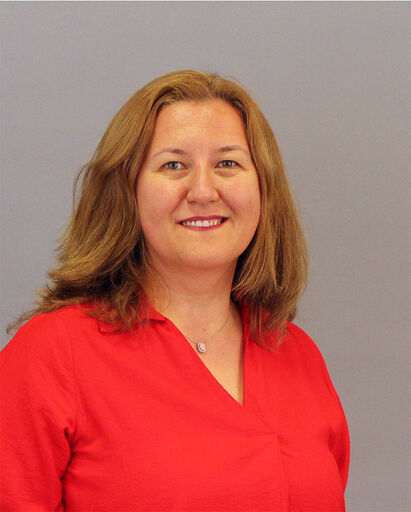
 hatice.bayraktar@izu.edu.tr 0212 692 97 45
 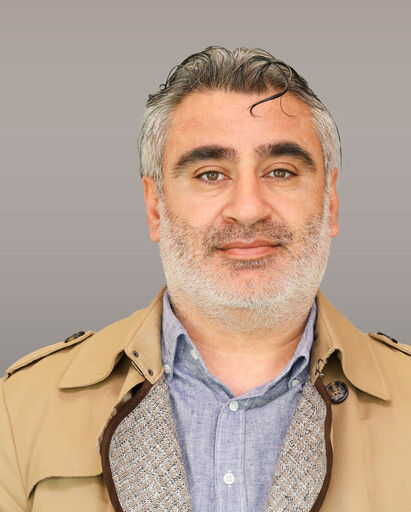 mustafa.ozgenel@izu.edu.tr 0212 692 89 53