
About the Program
Food engineering graduate program (non-thesis) has started accepting students since 2014 in Istanbul Sabahattin Zaim University Institute of Natural Sciences (INS). Student admission to this program will continue within Istanbul Sabahattin Zaim University Institute of Graduate Education (IGE) as of 2020-2021 Fall term. Between 2014-2020, 4 students graduated from this program.
- Master’s program (non-thesis) consists of ten courses (3 hours per week) and master's project work (Total 90 ECTS). The normal duration of this program is 2 semesters, the maximum duration is 3 semesters. The language of the program is Turkish. Program Objectives & Goals
Objectives
- This program aims to provide food engineers with sufficient expertise in the food production and preservation techniques, food variety and food safety conditions to contribute to the development of the country’s food industry.
- The main objective of the program is to educate qualified food engineers in various fields of the food industry, thus contributing to the Food Industry.
Program Learning Outcomes
KNOWLEDGE
- Upon completion of the program, students will be able to gain the ability to reach the knowledge expansion and depth by doing scientific research in the field of engineering, knowledge evaluation, interpretation and application skills.
SKILL
- Upon completion of the program, students will have ability to complete and apply knowledge using scientific methods using limited or incomplete data; the ability to integrate knowledge of different disciplines.
- Upon completion of the program, students will be able to develop methods to solve engineering problems and apply innovative methods in solutions.
COMPETENCE
- Upon completion of the program, students will be able to have the ability to develop new and original ideas and methods and innovative solutions in system, component or process design.
- Upon completion of the program, students will have comprehensive knowledge of modern techniques and methods applied in engineering and their boundaries.
- Upon completion of the program, students will have advanced skills in identifying, accessing and evaluating the information and data needed.
- Upon completion of the program, the students will be able to gain ability to lead in multidisciplinary teams, to develop solution approaches in complex situations and to take responsibility.
- Upon completion of the program, students will have ability to transcribe the processes and outcomes of their work in a systematic and explicit way, either in writing or verbally, in the national and international contexts on or within that area.
- Upon completion of the program, the students will be able to gain adequacy of observing social, scientific and ethical values at the stages of gathering, interpreting and announcing data, and in all professional activities.
- Upon completion of the program, the students will be able to gain awareness of the new and developing practices of the profession; the ability to examine and learn them when necessary.
- Upon completion of the program, students will have understanding the social and environmental dimensions of engineering practices and the ability to adapt to the social environment.
- Upon completion of the program, the students will be able to carry out as engineers and managers in R&D, production, quality assurance, marketing, import and export departments in food industry.
- Upon completion of the program, students will be able to gain the ability to reach the knowledge expansion and depth by doing scientific research in the field of engineering, knowledge evaluation, interpretation and application skills.
- Upon completion of the program, students will have ability to complete and apply knowledge using scientific methods using limited or incomplete data; the ability to integrate knowledge of different disciplines.
- Upon completion of the program, students will be able to develop methods to solve engineering problems and apply innovative methods in solutions.
- Upon completion of the program, students will be able to have the ability to develop new and original ideas and methods and innovative solutions in system, component or process design.
- Upon completion of the program, students will have comprehensive knowledge of modern techniques and methods applied in engineering and their boundaries.
- Upon completion of the program, students will have advanced skills in identifying, accessing and evaluating the information and data needed.
- Upon completion of the program, the students will be able to gain ability to lead in multidisciplinary teams, to develop solution approaches in complex situations and to take responsibility.
- Upon completion of the program, students will have ability to transcribe the processes and outcomes of their work in a systematic and explicit way, either in writing or verbally, in the national and international contexts on or within that area.
- Upon completion of the program, the students will be able to gain adequacy of observing social, scientific and ethical values at the stages of gathering, interpreting and announcing data, and in all professional activities.
- Upon completion of the program, the students will be able to gain awareness of the new and developing practices of the profession; the ability to examine and learn them when necessary.
- Upon completion of the program, students will have understanding the social and environmental dimensions of engineering practices and the ability to adapt to the social environment.
- Upon completion of the program, the students will be able to carry out as engineers and managers in R&D, production, quality assurance, marketing, import and export departments in food industry.
Relationship Between Programme Learning Outcomes and Objectives
| KNOWLEDGE | OBJECTIVE | T | % | ||
|---|---|---|---|---|---|
| Theoretical / Conceptual | O1 | O2 | |||
| 1 | Upon completion of the program, students will be able to gain the ability to reach the knowledge expansion and depth by doing scientific research in the field of engineering, knowledge evaluation, interpretation and application skills. | 5 VH ✔ | 5 VH ✔ | 10 | %100,00 |
| SKILL | OBJECTIVE | T | % | ||
| Cognitive / Pratical | O1 | O2 | |||
| 1 | Upon completion of the program, students will have ability to complete and apply knowledge using scientific methods using limited or incomplete data; the ability to integrate knowledge of different disciplines. | 5 VH ✔ | 5 VH ✔ | 10 | %100,00 |
| 2 | Upon completion of the program, students will be able to develop methods to solve engineering problems and apply innovative methods in solutions. | 5 VH ✔ | 5 VH ✔ | 10 | %100,00 |
| COMPETENCE | OBJECTIVE | T | % | ||
| Competence to Work Independently and Take Responsibility | O1 | O2 | |||
| 1 | Upon completion of the program, students will be able to have the ability to develop new and original ideas and methods and innovative solutions in system, component or process design. | 5 VH ✔ | 5 VH ✔ | 10 | %100,00 |
| 2 | Upon completion of the program, the students will be able to gain ability to lead in multidisciplinary teams, to develop solution approaches in complex situations and to take responsibility. | 5 VH ✔ | 5 VH ✔ | 10 | %100,00 |
| 3 | Upon completion of the program, the students will be able to gain awareness of the new and developing practices of the profession; the ability to examine and learn them when necessary. | 5 VH ✔ | 5 VH ✔ | 10 | %100,00 |
| 4 | Upon completion of the program, the students will be able to carry out as engineers and managers in R&D, production, quality assurance, marketing, import and export departments in food industry. | 5 VH ✔ | 5 VH ✔ | 10 | %100,00 |
| Learning Competence | O1 | O2 | |||
| 1 | Upon completion of the program, students will have comprehensive knowledge of modern techniques and methods applied in engineering and their boundaries. | 5 VH ✔ | 5 VH ✔ | 10 | %100,00 |
| Field Specific Competence | O1 | O2 | |||
| 1 | Upon completion of the program, students will have advanced skills in identifying, accessing and evaluating the information and data needed. | 5 VH ✔ | 5 VH ✔ | 10 | %100,00 |
| 2 | Upon completion of the program, the students will be able to gain adequacy of observing social, scientific and ethical values at the stages of gathering, interpreting and announcing data, and in all professional activities. | 5 VH ✔ | 5 VH ✔ | 10 | %100,00 |
| Communication and Social Competence | O1 | O2 | |||
| 1 | Upon completion of the program, students will have ability to transcribe the processes and outcomes of their work in a systematic and explicit way, either in writing or verbally, in the national and international contexts on or within that area. | 5 VH ✔ | 5 VH ✔ | 10 | %100,00 |
| 2 | Upon completion of the program, students will have understanding the social and environmental dimensions of engineering practices and the ability to adapt to the social environment. | 5 VH ✔ | 5 VH ✔ | 10 | %100,00 |
| NUMBER OF PROGRAMME LEARNING OUTCOMES (12) | 12 | 12 | - | - | |
| WEIGHT | 60 | 60 | - | - | |
| PERCENTAGE | %100,00 | %100,00 | - | - | |
| CONTRIBUTION LEVEL - VERY HIGH [5] (VH) | 12 | 12 | |||
* T: Total, %: Percentage
O1 — This program aims to provide food engineers with sufficient expertise in the food production and preservation techniques, food variety and food safety conditions to contribute to the development of the country’s food industry.
O2 — The main objective of the program is to educate qualified food engineers in various fields of the food industry, thus contributing to the Food Industry.
Teaching Methods
The most frequently used Instructional Methods of the educational programs of Istanbul Sabahattin Zaim University are given below.
- Expression
- Question-Answer
- Discussion
- Exercise and Practice
- Presentation
- Guided Practice
- Role Playing
- Group Study
- Simulation
- Brain Storming
- Six Hat
- Case Study
- Experiment - Test / Lab/ Workshop / Field Practice
- Self study
- Problem Solving
- Project Based Learning (Including Field Work)
Assessment Methods
The most frequently used Evaluation Methods of the educational programs of Istanbul Sabahattin Zaim University are given below.
- Testing (Essay / Tests: True-Falls, multiple-choice, short answer, matching)
- Oral Exam
- Homework
- Project / Design
- Portfolio
- Performance Assignment ( Lab / Workshop / Field Work / Seminar / Presentation / Completion Study / Thesis
Degree and Level Awarded
When the program is successfully completed and program qualifications are provided, the degree of Master of Science in Food Engineering is obtained.
Admission Requirements
- Students must be graduate from Aquaculture Engineering, Animal Science, Dairy Products Technology, Horticulture, Plant Protection, Chemical Engineering, Chemistry, Biology, Environmental Engineering, Genetic Engineering, Bioengineering, Molecular Biology, Pharmacy, Veterinary Faculty,
-ALES score requirement is not required,
-The courses of this program are given at Istanbul Sabahattin Zaim University Halkalı campus.
Graduation Requirements
Students who successfully completed the courses, with a 2.50 and above GPA shall granted a diploma for non-thesis master’s program.Recognition of Prior Learning
The process of grading courses for up to 6 courses is carried out where the students are selected from the previous graduate program in which special students, horizontal transfer from different universities.
Employment Opportunities
A student who successfully completes the program can apply for a doctorate degree in the field of Food Engineering or other science departments accepting students from this area.
Study Plan
1th Semester
Number of Compulsory Courses: 6 Number of Elective Courses: 0
| Code | Course Name | Type | Language of Instruction | T | P | L | H | ECTS | Cr. |
|---|---|---|---|---|---|---|---|---|---|
| GIM 597 | Scientific Research Methods | Compulsory | Turkish | 3 | 0 | 0 | 3 | 7.5 | 3 |
| BES 515 | Food Hygiene | Departmental Elective | Turkish | 3 | 0 | 0 | 3 | 7.5 | 3 |
| BLS 001 | Departmental Elective Course | Departmental Elective | Turkish | 3 | 0 | 0 | 3 | 7.5 | 3 |
| BLS 002 | Departmental Elective Course | Departmental Elective | Turkish | 3 | 0 | 0 | 3 | 7.5 | 3 |
| BLS 003 | Departmental Elective Course | Departmental Elective | Turkish | 3 | 0 | 0 | 3 | 7.5 | 3 |
| BLS 004 | Departmental Elective Course | Departmental Elective | Turkish | 3 | 0 | 0 | 3 | 7.5 | 3 |
| Total: | 18 | 0 | 0 | 18 | 45,0 | 18,0 | |||
1th Semester Elective Courses
| Code | Course Name | Type | Language of Instruction | T | P | L | H | ECTS | Cr. |
|---|---|---|---|---|---|---|---|---|---|
| GIM 509 | Advanced Food Microbiology | Departmental Elective | Turkish | 3 | 0 | 0 | 3 | 7.5 | 3 |
| GIM 551 | Physico-Chemical Properties of Foods | Departmental Elective | Turkish | 3 | 0 | 0 | 3 | 7.5 | 3 |
| GIM 553 | Red and White Meat Technology | Departmental Elective | Turkish | 3 | 0 | 0 | 3 | 7.5 | 3 |
| GIM 555 | Innovative Approaches in Enzyme Technology | Departmental Elective | Turkish | 3 | 0 | 0 | 3 | 7.5 | 3 |
| GIM 557 | Modern Food Preservation Methods | Departmental Elective | Turkish | 3 | 0 | 0 | 3 | 7.5 | 3 |
| GIM 603 | Molecular Methods in Food Engineering | Departmental Elective | Turkish | 3 | 0 | 0 | 3 | 7.5 | 3 |
| GIM 607 | Nanotechnology in Food Engineering | Departmental Elective | Turkish | 3 | 0 | 0 | 3 | 7.5 | 3 |
| GIM 613 | Dairy Chemistry and Microbiology | Departmental Elective | Turkish | 3 | 0 | 0 | 3 | 7.5 | 3 |
| GIM 615 | Striated Muscle Chemistry and Biochemistry | Departmental Elective | Turkish | 3 | 0 | 0 | 3 | 7.5 | 3 |
| GIM 617 | Advanced Fruit and Vegetable Processing Technology | Departmental Elective | Turkish | 3 | 0 | 0 | 3 | 7.5 | 3 |
| GIM 619 | Research and Publication Ethics | Departmental Elective | Turkish | 3 | 0 | 0 | 3 | 7.5 | 3 |
| Total: | 33 | 0 | 0 | 33 | 82,5 | 33,0 | |||
2nd Semester
Number of Compulsory Courses: 4 Number of Elective Courses: 0
| Code | Course Name | Type | Language of Instruction | T | P | L | H | ECTS | Cr. |
|---|---|---|---|---|---|---|---|---|---|
| BLS 001 | Departmental Elective Course | Departmental Elective | Turkish | 3 | 0 | 0 | 3 | 7.5 | 3 |
| BLS 002 | Departmental Elective Course | Departmental Elective | Turkish | 3 | 0 | 0 | 3 | 7.5 | 3 |
| BLS 003 | Departmental Elective Course | Departmental Elective | Turkish | 3 | 0 | 0 | 3 | 7.5 | 3 |
| BLS 004 | Departmental Elective Course | Departmental Elective | Turkish | 3 | 0 | 0 | 3 | 7.5 | 3 |
| Total: | 12 | 0 | 0 | 12 | 30,0 | 12,0 | |||
2nd Semester Elective Courses
| Code | Course Name | Type | Language of Instruction | T | P | L | H | ECTS | Cr. |
|---|---|---|---|---|---|---|---|---|---|
| GIM 514 | Fermented Foods and Probiotics | Departmental Elective | Turkish | 3 | 0 | 0 | 3 | 7.5 | 3 |
| GIM 522 | Canning Technology | Departmental Elective | Turkish | 3 | 0 | 0 | 3 | 7.5 | 3 |
| GIM 526 | Advanced Specialty Foods | Departmental Elective | Turkish | 3 | 0 | 0 | 3 | 7.5 | 3 |
| GIM 536 | Advanced Hygiene Practices | Departmental Elective | Turkish | 3 | 0 | 0 | 3 | 7.5 | 3 |
| GIM 542 | Halal and Kosher Food Regulations | Departmental Elective | Turkish | 3 | 0 | 0 | 3 | 7.5 | 3 |
| GIM 552 | Spectroscopic Techniques in Food Analysis | Departmental Elective | Turkish | 3 | 0 | 0 | 3 | 7.5 | 3 |
| GIM 554 | Innovative Approaches in Food Packaging | Departmental Elective | Turkish | 3 | 0 | 0 | 3 | 7.5 | 3 |
| GIM 556 | Advanced Dairy Products Processing Engineering | Departmental Elective | Turkish | 3 | 0 | 0 | 3 | 7.5 | 3 |
| GIM 558 | Food Business Hygiene and Sanitation | Departmental Elective | Turkish | 3 | 0 | 0 | 3 | 7.5 | 3 |
| GIM 602 | Food Colloids | Departmental Elective | Turkish | 3 | 0 | 0 | 3 | 7.5 | 3 |
| GIM 604 | Production Technology of Food Powders | Departmental Elective | Turkish | 3 | 0 | 0 | 3 | 7.5 | 3 |
| GIM 612 | Oil Chemistry and Technology | Departmental Elective | Turkish | 3 | 0 | 0 | 3 | 7.5 | 3 |
| GIM 614 | Mirobiyal Food Additives Production and Technology | Departmental Elective | Turkish | 3 | 0 | 0 | 3 | 7.5 | 3 |
| GIM 616 | Molecular Microbiology | Departmental Elective | Turkish | 3 | 0 | 0 | 3 | 7.5 | 3 |
| GIM 618 | Halal Food Research and Analysis | Departmental Elective | Turkish | 3 | 0 | 0 | 3 | 7.5 | 3 |
| Total: | 45 | 0 | 0 | 45 | 112,5 | 45,0 | |||
3rd Semester
Number of Compulsory Courses: 1 Number of Elective Courses: 0
| Code | Course Name | Type | Language of Instruction | T | P | L | H | ECTS | Cr. |
|---|---|---|---|---|---|---|---|---|---|
| GIM 503 | Master's Project | Project | Turkish | 0 | 0 | 0 | 0 | 15 | 0 |
| Total: | 0 | 0 | 0 | 0 | 15,0 | 0,0 | |||
Course Load Summary
| Course Load Summary | T | P | L | H | ECTS | Cr. |
|---|---|---|---|---|---|---|
| Grand Total (Number of Courses: 11) | 30 | 0 | 0 | 30 | 90,0 | 30,0 |
| Compulsory Course Total (Number of Courses: 1) | 3 | 0 | 0 | 3 | 7,5 | 3,0 |
| Elective Course Total (Number of Courses: 9) | 27 | 0 | 0 | 27 | 67,5 | 27,0 |
| Course Type | Number of Courses | Ratio (%) |
|---|---|---|
| Zorunlu Ders | 1 | 9,09 |
| Seçmeli Ders | 9 | 81,82 |
| Bölüm Dışı Seçmeli Ders | 0 | 0,00 |
T: Theory, P: Practice, L: Laboratory, WCH: Weekly Course Hours, ECTS: European Credit Transfer System, Cr.: Credit
Core Area Distribution
| Core Area | Total ECTS | Ratio (%) |
|---|---|---|
| Engineering and Engineering Trades | 76.5 | 43% |
| Physical Sciences | 30.4 | 17.1% |
| Manufacturing and Processing | 19.5 | 11% |
| Life Sciences | 18.4 | 10.3% |
| Humanities | 9.8 | 5.5% |
| Health | 7.5 | 4.2% |
| Engineering and Engineering Trades | 6 | 3.4% |
| Social and Behavioural Science | 4.5 | 2.5% |
| Agriculture, Forestry and Fishery | 2.6 | 1.5% |
| Manufacturing and Processing | 1.5 | 0.8% |
| Mathematics and Statistics | 0.8 | 0.4% |
| Unknown / Unspecified | 0.4 | 0.2% |
Course Category List
Compulsory Courses
| Course | ECTS | Ratio (%) |
|---|---|---|
| GIM 597 - Scientific Research Methods | 7.5 | |
| 52 - Engineering and Engineering Trades | %80 | |
| 54 - Manufacturing and Processing | %20 |
Elective Courses
| Course | ECTS | Ratio (%) |
|---|---|---|
| BES 515 - Food Hygiene | 7.5 | |
| 72 - Health | %100 | |
| GIM 509 - Advanced Food Microbiology | 7.5 | |
| 42 - Life Sciences | %90 | |
| 62 - Agriculture, Forestry and Fishery | %10 | |
| GIM 514 - Fermented Foods and Probiotics | 7.5 | |
| 42 - Life Sciences | %50 | |
| 44 - Physical Sciences | %50 | |
| GIM 522 - Canning Technology | 7.5 | |
| 52 - Engineering and Engineering Trades | %100 | |
| GIM 526 - Advanced Specialty Foods | 7.5 | |
| 52 - Engineering and Engineering Trades | %40 | |
| 54 - Manufacturing and Processing | %60 | |
| GIM 536 - Advanced Hygiene Practices | 7.5 | |
| 22 - Humanities | %20 | |
| 52 - Engineering and Engineering Trades | %80 | |
| GIM 542 - Halal and Kosher Food Regulations | 7.5 | |
| 22 - Humanities | %60 | |
| 52 - Engineering and Engineering Trades | %40 | |
| GIM 553 - Red and White Meat Technology | 7.5 | |
| 52 - Engineering and Engineering Trades | %90 | |
| GIM 554 - Innovative Approaches in Food Packaging | 7.5 | |
| 52 - Engineering and Engineering Trades | %100 | |
| GIM 556 - Advanced Dairy Products Processing Engineering | 7.5 | |
| 52 - Engineering and Engineering Trades | %50 | |
| 54 - Manufacturing and Processing | %50 | |
| GIM 557 - Modern Food Preservation Methods | 7.5 | |
| 52 - Engineering and Engineering Trades | %60 | |
| 54 - Manufacturing and Processing | %35 | |
| 62 - Agriculture, Forestry and Fishery | %5 | |
| GIM 558 - Food Business Hygiene and Sanitation | 7.5 | |
| 22 - Humanities | %50 | |
| 52 - Engineering and Engineering Trades | %50 | |
| GIM 602 - Food Colloids | 7.5 | |
| 44 - Physical Sciences | %50 | |
| 52 - Engineering and Engineering Trades | %50 | |
| GIM 603 - Molecular Methods in Food Engineering | 7.5 | |
| 42 - Life Sciences | %40 | |
| 44 - Physical Sciences | %40 | |
| 52 - Engineering and Engineering Trades | %20 | |
| GIM 604 - Production Technology of Food Powders | 7.5 | |
| 52 - Engineering and Engineering Trades | %50 | |
| 54 - Manufacturing and Processing | %30 | |
| 62 - Agriculture, Forestry and Fishery | %20 | |
| GIM 607 - Nanotechnology in Food Engineering | 7.5 | |
| 44 - Physical Sciences | %75 | |
| 46 - Mathematics and Statistics | %10 | |
| 52 - Engineering and Engineering Trades | %10 | |
| 99 - Unknown / Unspecified | %5 | |
| GIM 612 - Oil Chemistry and Technology | 7.5 | |
| 52 - Engineering and Engineering Trades | %40 | |
| 54 - Manufacturing and Processing | %60 | |
| GIM 613 - Dairy Chemistry and Microbiology | 7.5 | |
| 52 - Engineering and Engineering Trades | %80 | |
| GIM 614 - Mirobiyal Food Additives Production and Technology | 7.5 | |
| 42 - Life Sciences | %25 | |
| 44 - Physical Sciences | %50 | |
| 54 - Manufacturing and Processing | %25 | |
| GIM 615 - Striated Muscle Chemistry and Biochemistry | 7.5 | |
| 52 - Engineering and Engineering Trades | %100 | |
| GIM 616 - Molecular Microbiology | 7.5 | |
| 42 - Life Sciences | %40 | |
| 44 - Physical Sciences | %40 | |
| 52 - Engineering and Engineering Trades | %20 | |
| GIM 617 - Advanced Fruit and Vegetable Processing Technology | 7.5 | |
| 44 - Physical Sciences | %100 | |
| GIM 619 - Research and Publication Ethics | 7.5 | |
| 31 - Social and Behavioural Science | %60 | |
| 52 - Engineering and Engineering Trades | %40 |
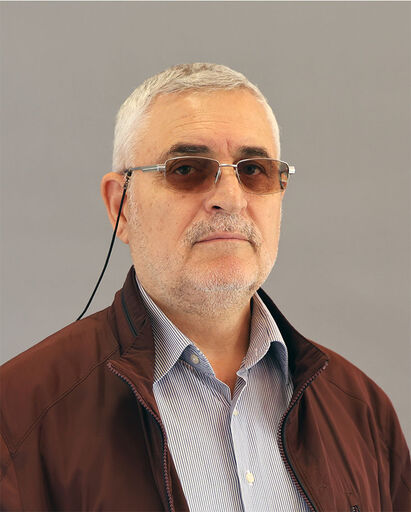
 hasan.yetim@izu.edu.tr 0212 692 87 70
 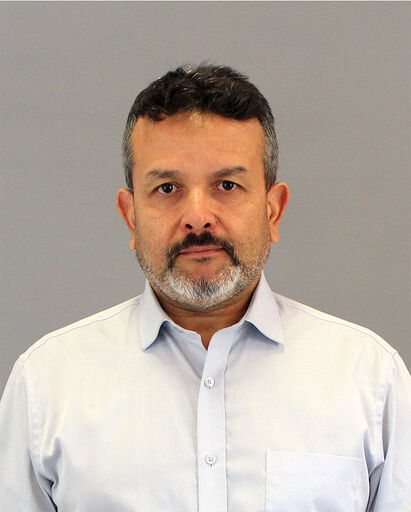 ertan.ermis@izu.edu.tr 0212 692 97 22
 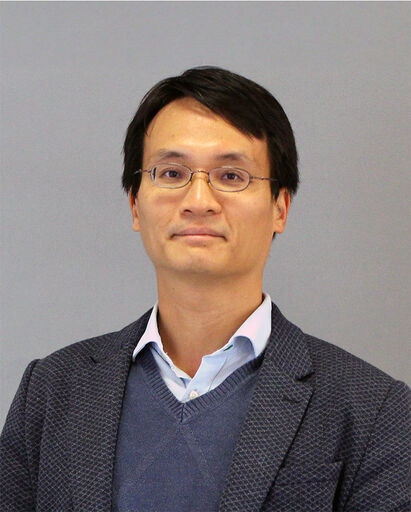 chi.lee@izu.edu.tr 0212 692 88 07
  m.yildiz@izu.edu.tr 0212 692 89 08