
“World Turkish Language Family Day” Celebrated at IZU
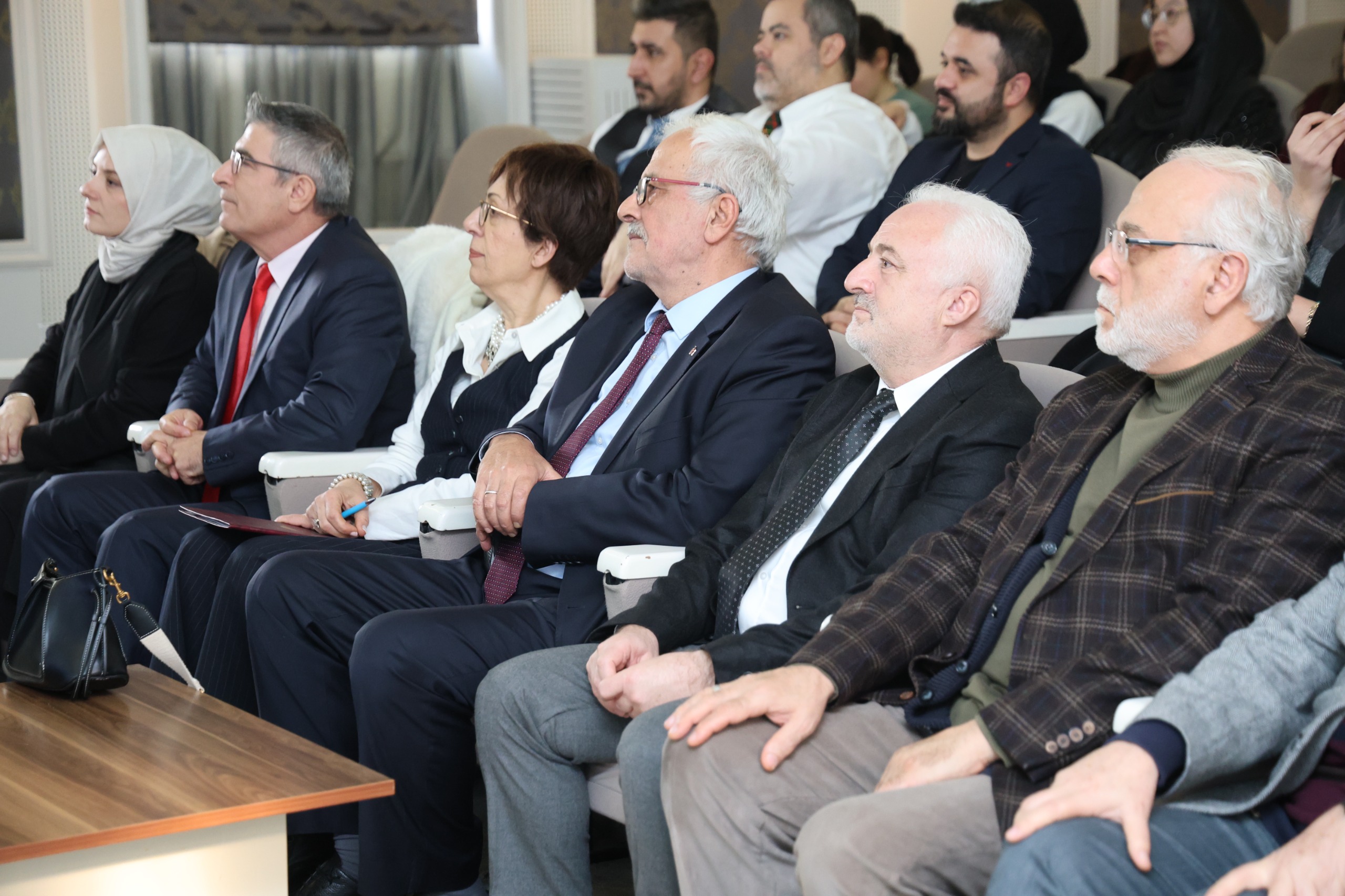
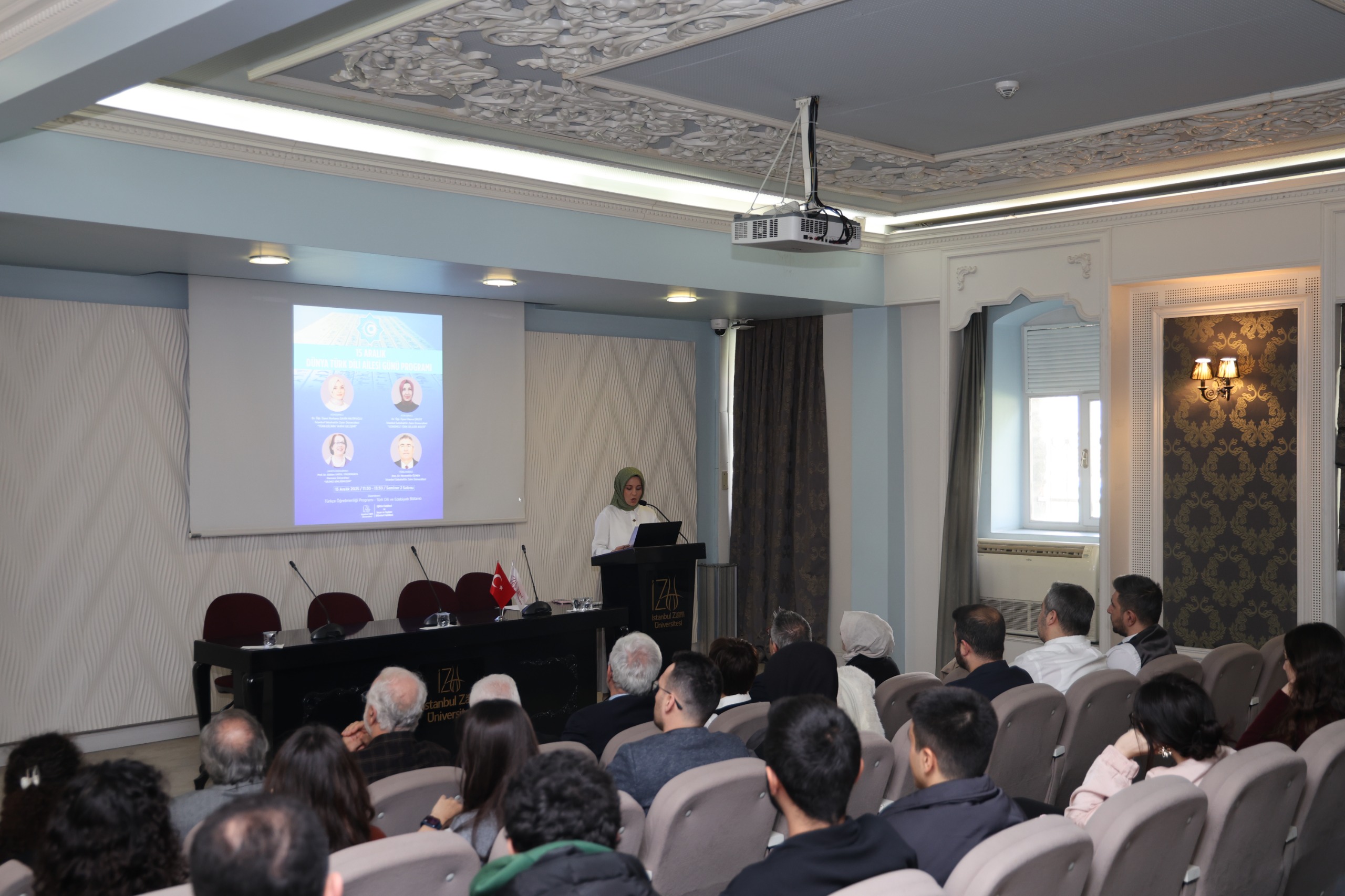
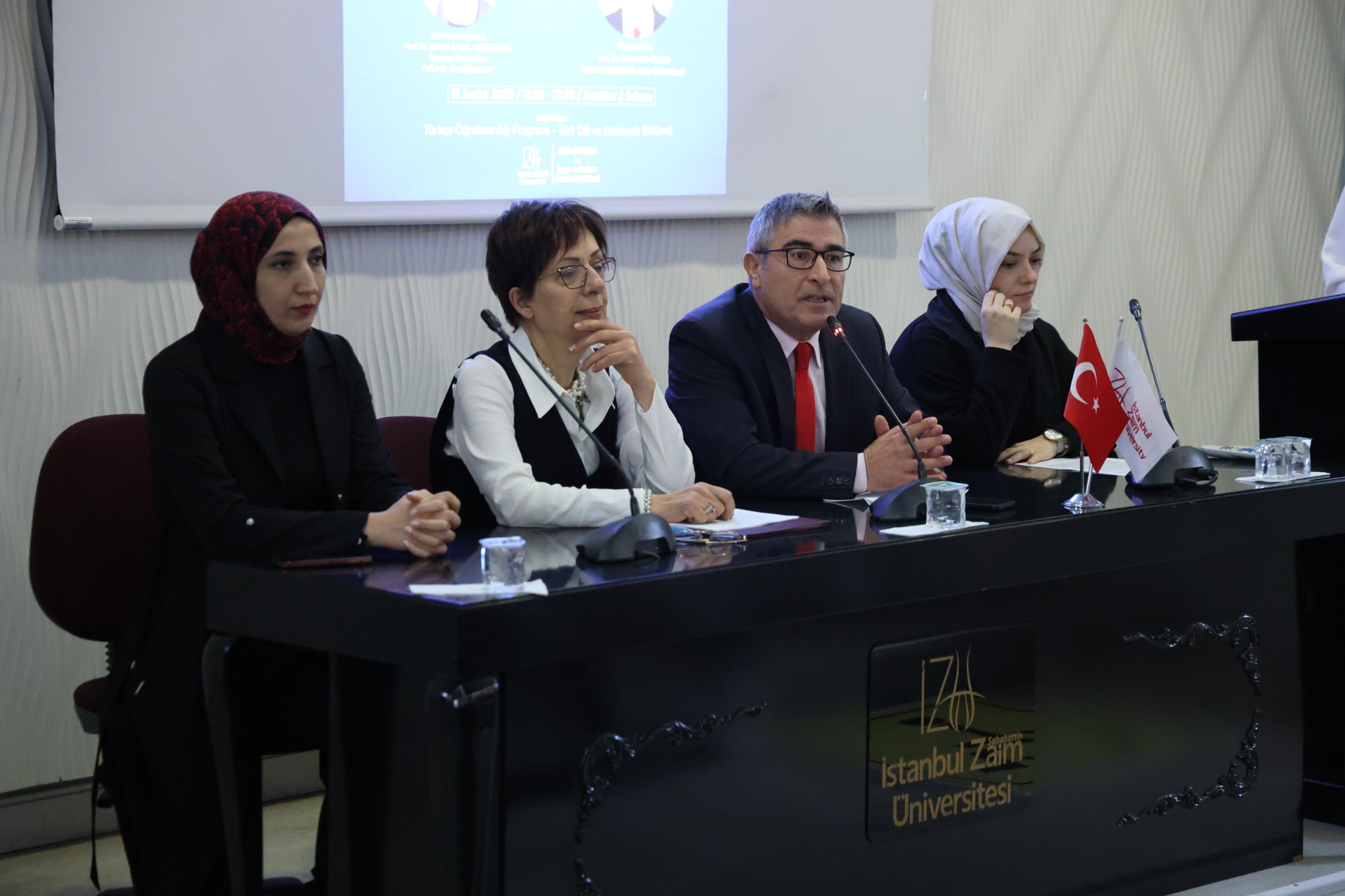
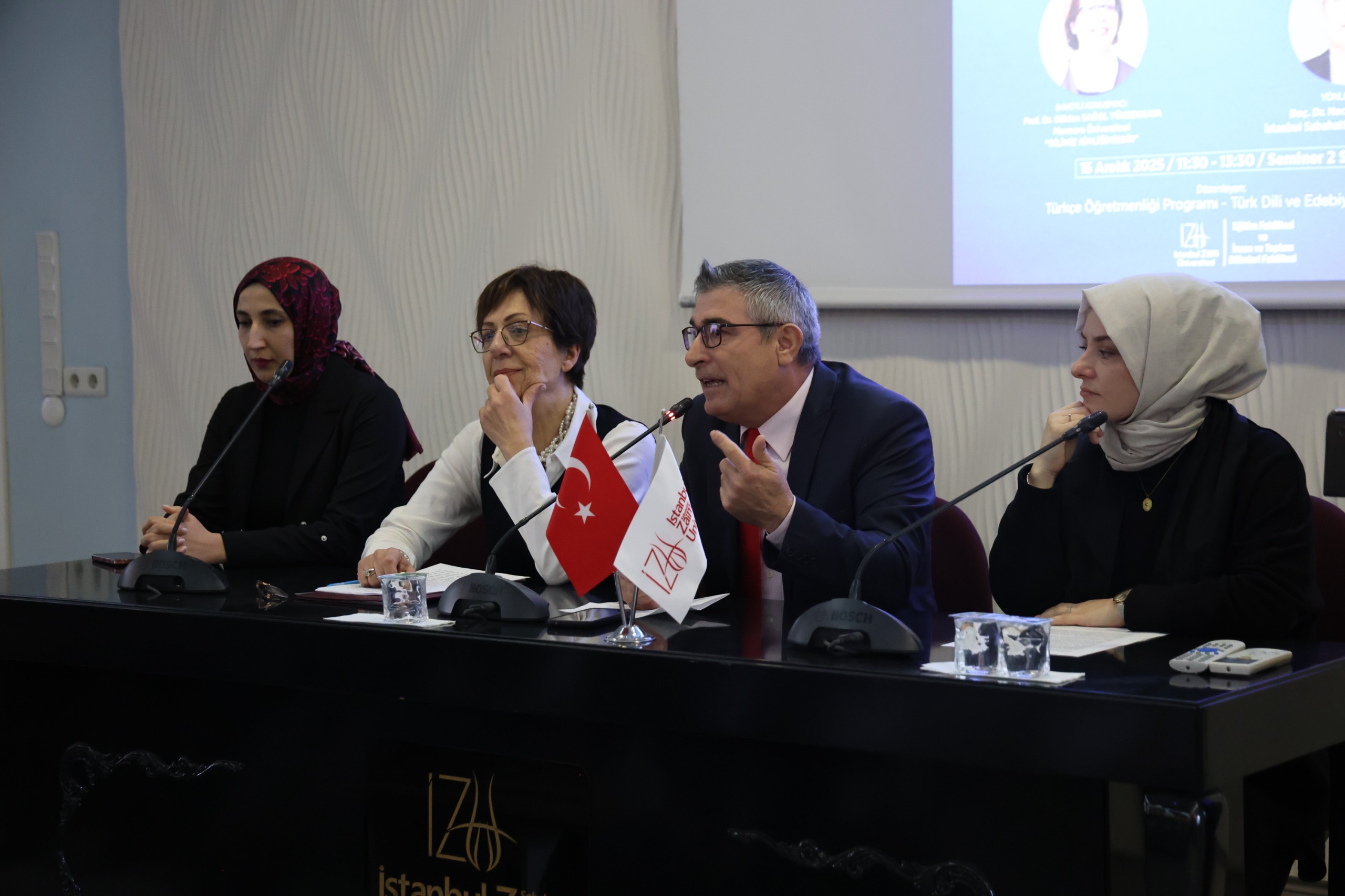
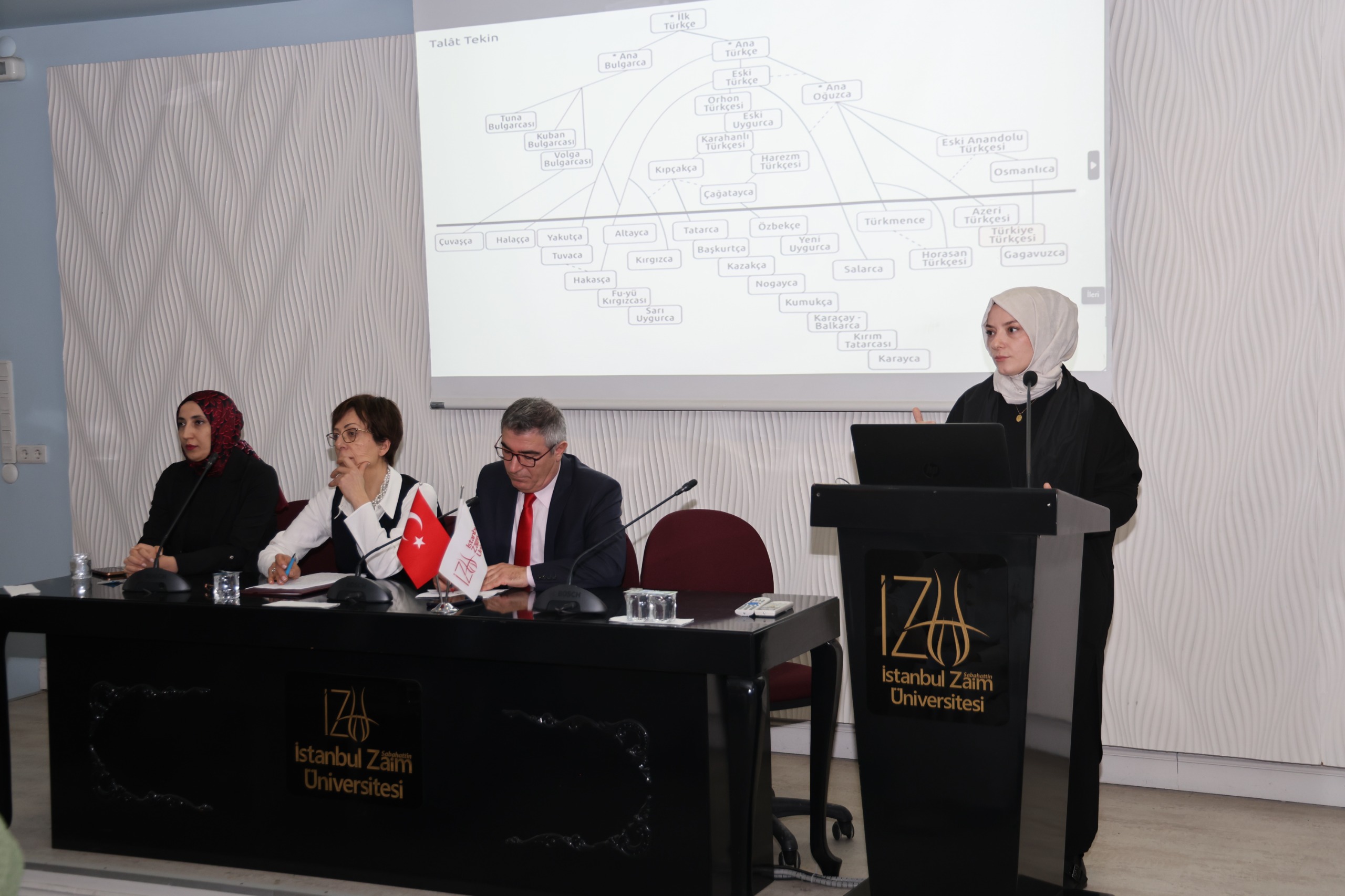
“World Turkish Language Family Day” was celebrated with a panel organized at Istanbul Sabahattin Zaim University (IZU). The program addressed the history, development, and current issues of the Turkish language.
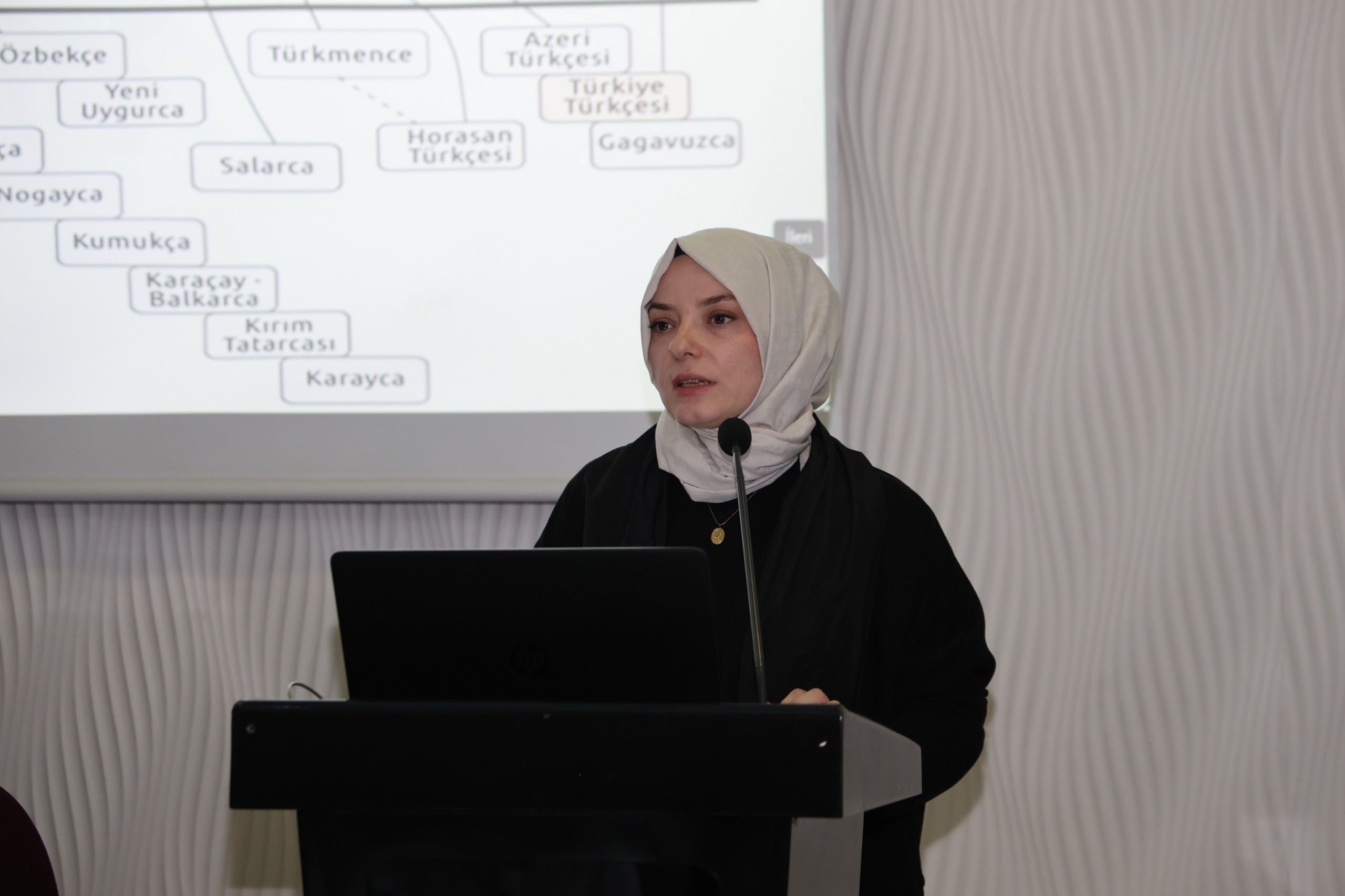
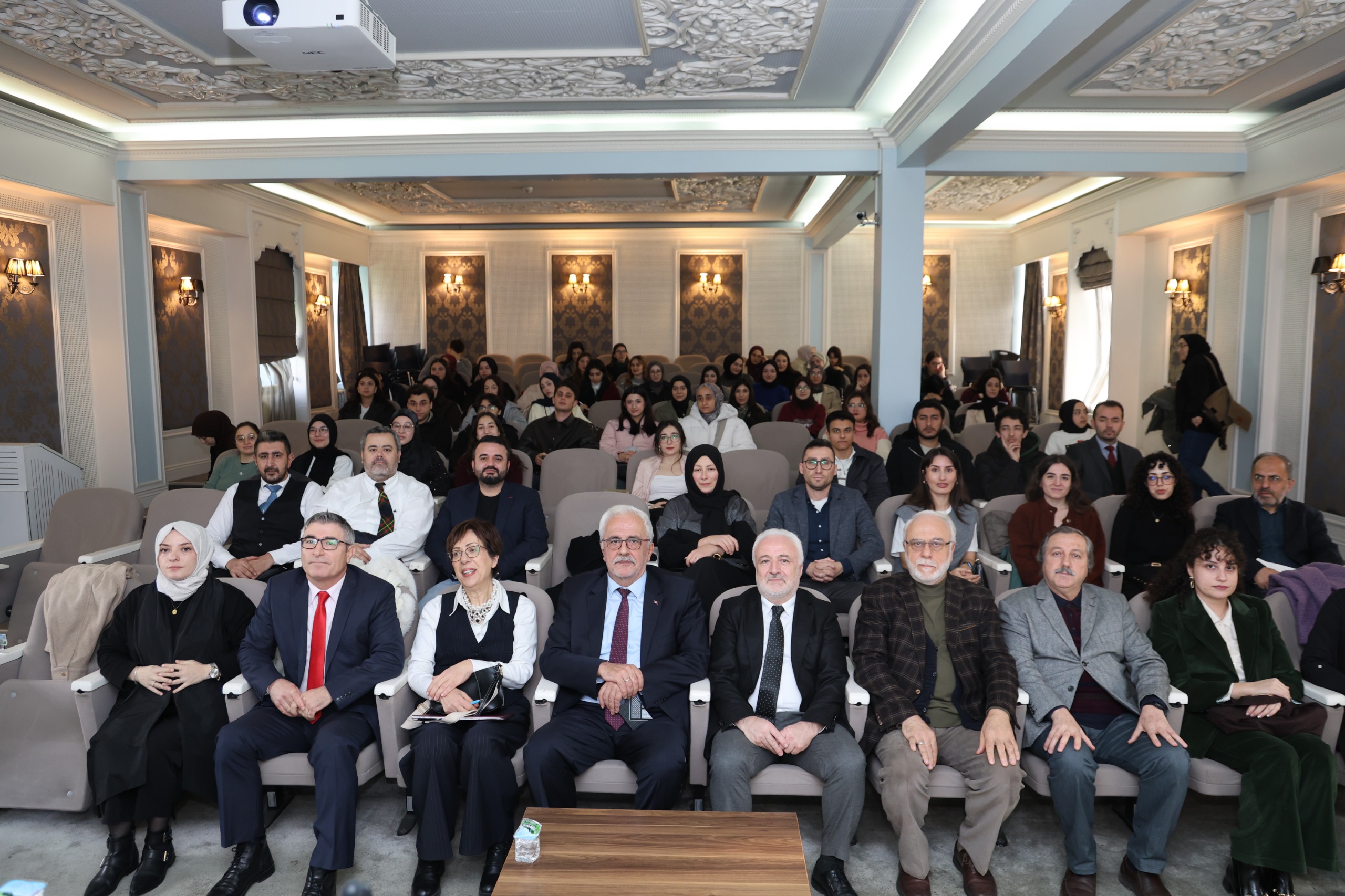
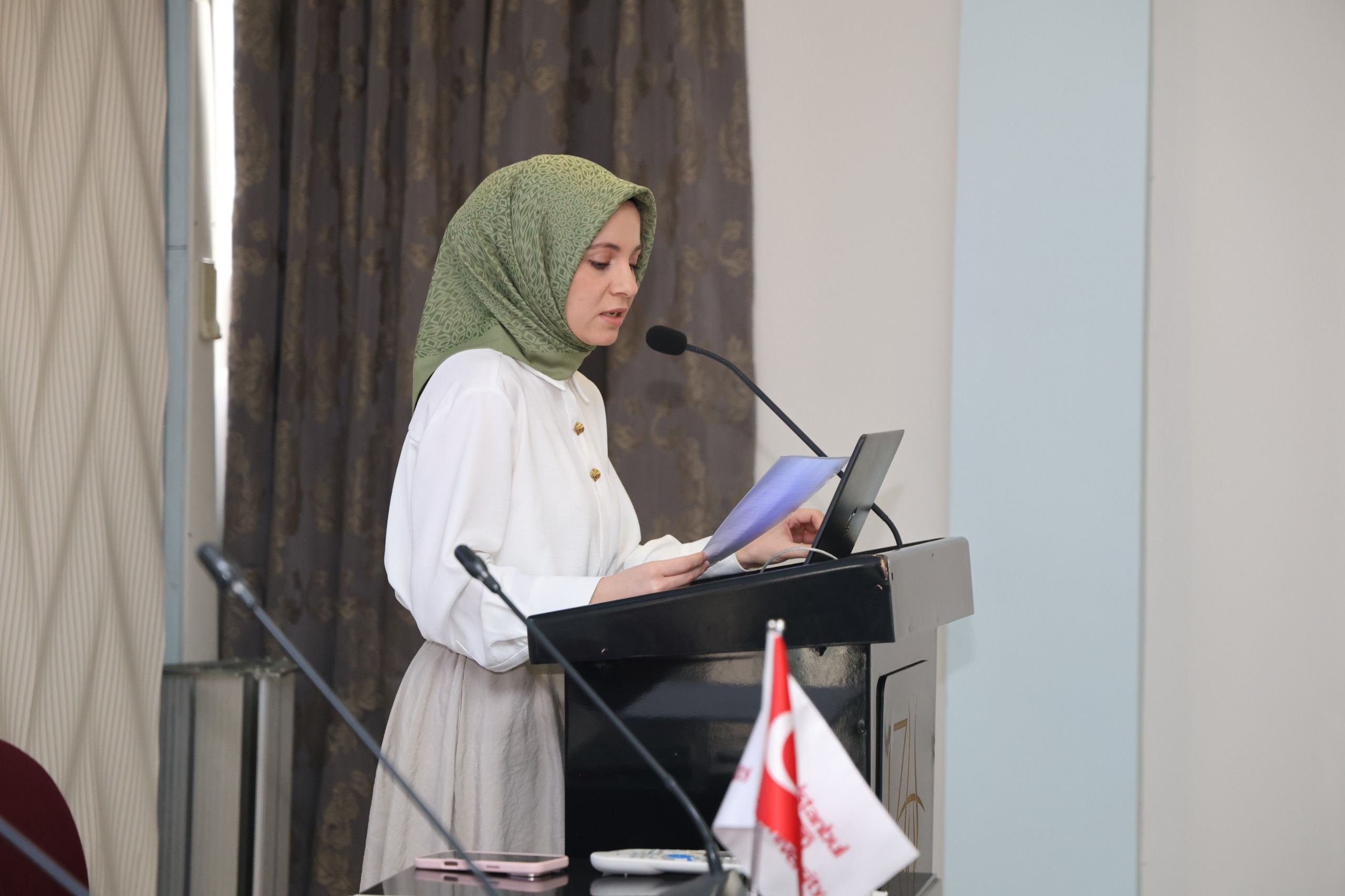
The panel, held in IZU Seminar Hall 2, was organized on the occasion of UNESCO’s declaration of December 15 the date on which the Orkhon Inscriptions were read as World Turkish Language Family Day on November 3, 2025. Speakers at the panel included Prof. Dr. Gülden Sağol Yüksekkaya, a faculty member at Marmara University, and IZU faculty members Dr. Nurbanu Şahin Hatipoğlu and Dr. Merve Ergüt. Organized by the Department of Turkish Language and Literature at IZU and moderated by Assoc. Prof. Dr. Necmettin Özmen, the event was attended by Rector Prof. Dr. Ahmet Cevat Acar, Vice Rector Nihat Erdoğmuş, Dean of the Faculty of Education Prof. Dr. Ahmet Şükrü Özdemir, academics, and students.
ACAR: WE DON NOT TAKE GOOD OF TURKISH
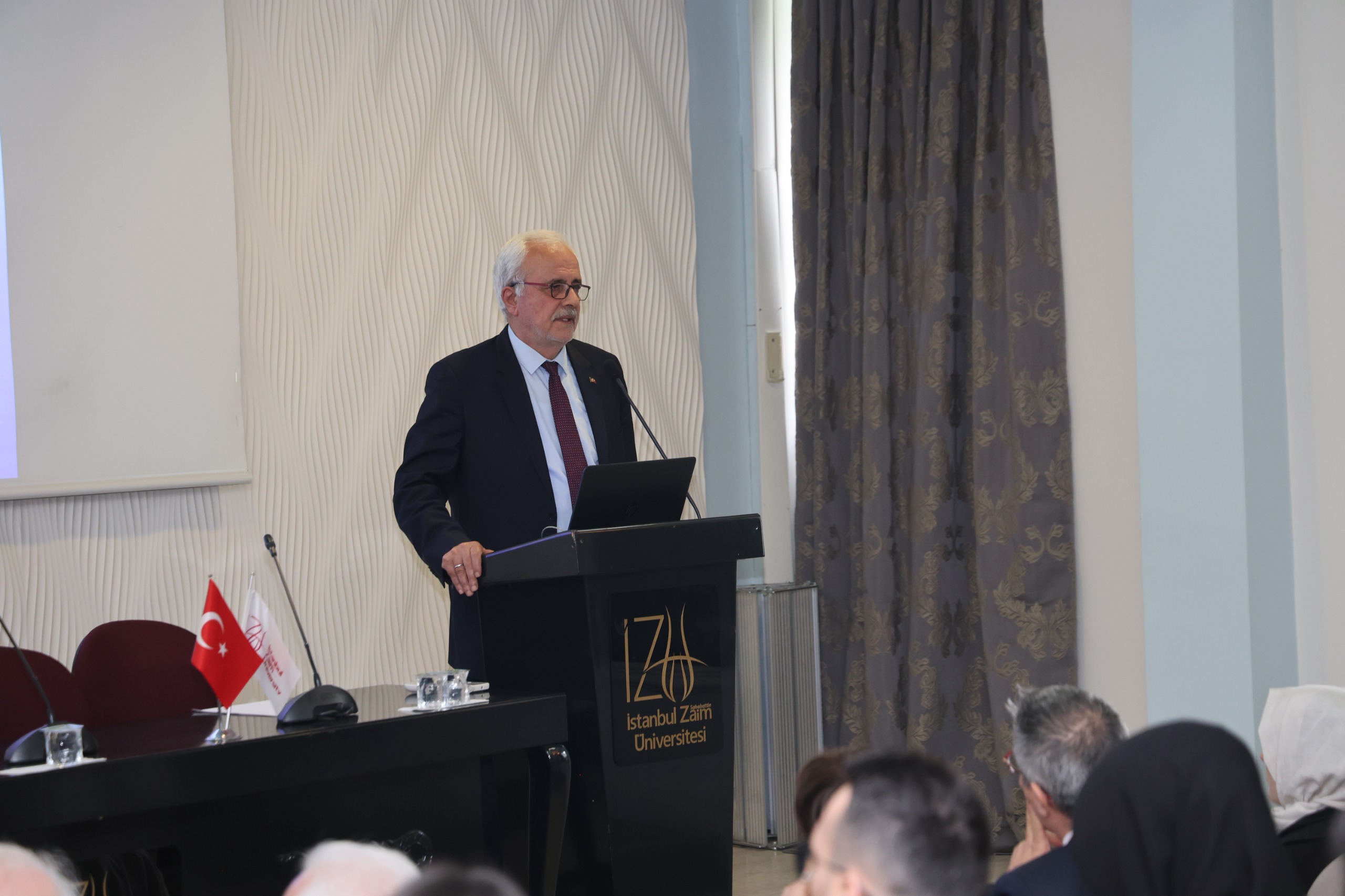
In his openinig remarks, Rector Acar emphasized the foundational role of language in the formation of national identities. Noting that Turkish is one of the most widely spoken language in the world, Acar expressed his sadness that efforts to fragment Turkish speaking countries have been partially successful. He continued:
"While there was a single alphabet in the Turkish world in the early 1900s, this unity no longer exists today. In Türkiye as well, the Turkish language has been damaged under the guise of ultra nationalist slogans. The call to 'free Turkish from the influence of foreign language' is not an appropriate demand for the geography of an empire. We do not take good care of Turkish. Today's young People cannot understand texts written thirty years ago."
EU MODEL FOR THE TURKESTAN GEOGRAPHY
Stating that Turkish is one of the languages with the most ancient roots, Assoc. Prof. Dr. Necmettin Özmen, a faculty member in the Department of Turkish Education at IZU, said that old debates should be set aside and the question “How can unity in the Turkish language be established?” should be addressed. Özmen noted:
“The Organization of Turkic States was established in 2021. Steps are being taken toward a European Union style model across the broader Turkestan geography."
HOW DID TURKISH REACH THE PRESENT DAY?
Dr. Nurbanu Şahin Hatipoğlu, a faculty member in the Department of Turkish Education at IZU, discussed the historical development of the Turkish language within the framework of the question “How did Turkish reach the present day?” She stated that the earliest written Turkish documents are the Orkhon Inscriptions dating back to the sixth century.
“The language used in the inscriptions displays an extremely sophisticated style. This proves that writing existed much earlier,” Hatipoğlu said, adding that while a single written language was used until the twelfth century, different written languages began to emerge across the Turkish world from that century onward.
TRACES OF TURKISH IN CHINESE SOURCES
Addressing the development of the Turkish language based on early written documents, Prof. Dr. Gülden Sağol Yüksekkaya from the Department of Turkish Language and Literature at Marmara University stated that inscriptions present a multi-layered cultural and semantic world.
“Although the Orkhon Inscriptions the oldest written documents identified to date belong to the period of the Second Turkic Khaganate, Chinese sources document that Turks used writing in even earlier periods,” Yüksekkaya said. Referring to the language and cultural elements found in early written sources through the Çoyr, Bilge Khagan, and Kül Tigin inscriptions, she also announced that a recently discovered new inscription would add fresh information to existing knowledge.
TURKISH FROM ASIA TO EUROPE, FROM THE BALKANS TO THE CAUCASUS
The final speaker of the panel, Dr. Merve Ergüt, a faculty member in the Department of Turkish Language and Literature at IZU, focused on the current issues of the Turkish language.
“The contemporary Turkish language family extends across a vast geography, from Asia to Europe and from the Balkans to the Caucasus,” Ergüt said, drawing attention in particular to the pressures and assimilation policies imposed on regional countries during the Soviet Union era due to their Turkic and Muslim identities.
News Gallery
Other News

Professor Doctor Monzer Kahf Organized Conferences In IZU
In the field of Islamic economics, one of the contemporary pioneers of banking and finance Professor Doctor Monzer Kahf visited Istanbul Sabahattin Zaim University International Islamic Economy and Finance Research and Application Center on January 3 and January 5, 2018. Professor Kahf came together with faculty members, research assistants and graduate students who worked in the Islamic Economy and Finance Department and the Islamic Science Faculty.
Support from TUBITAK to the projects of IZU
Scientific and Technological Research Projects Support the Program, the evaluation results of the second semester of 2017 were announced.
1st International Conference on the Development of Educational Opportunities in Malaysia was completed
IZU Islamic Sciences Faculty Deputy Dean Assoc. Abdülmuttalip Arpa participated in the 1st International Conference on the Development of Educational Facilities held in Putrajaya, Malaysia on January 19-20, by the International Educational Scientific and Cultural Organization (IIESCO).
Visiting IZU From Gaza Islamic University
Istanbul Sabahattin Zaim University Vice Rector Professor Doctor Arif Ersoy welcomed the delegation of Gaza Islamic University. The visit took place on İZÜ Halkalı Campus on 6th February 2018. President of the Board of Trustees of Gaza Islamic University Prof. Dr. Nasereddin Almuzaini, Former Rector Kamalayas Shaath, Turkey Representative Mon Naim and Raif Alshorafa joined to visit.