
How Should We Observe Ramadan?
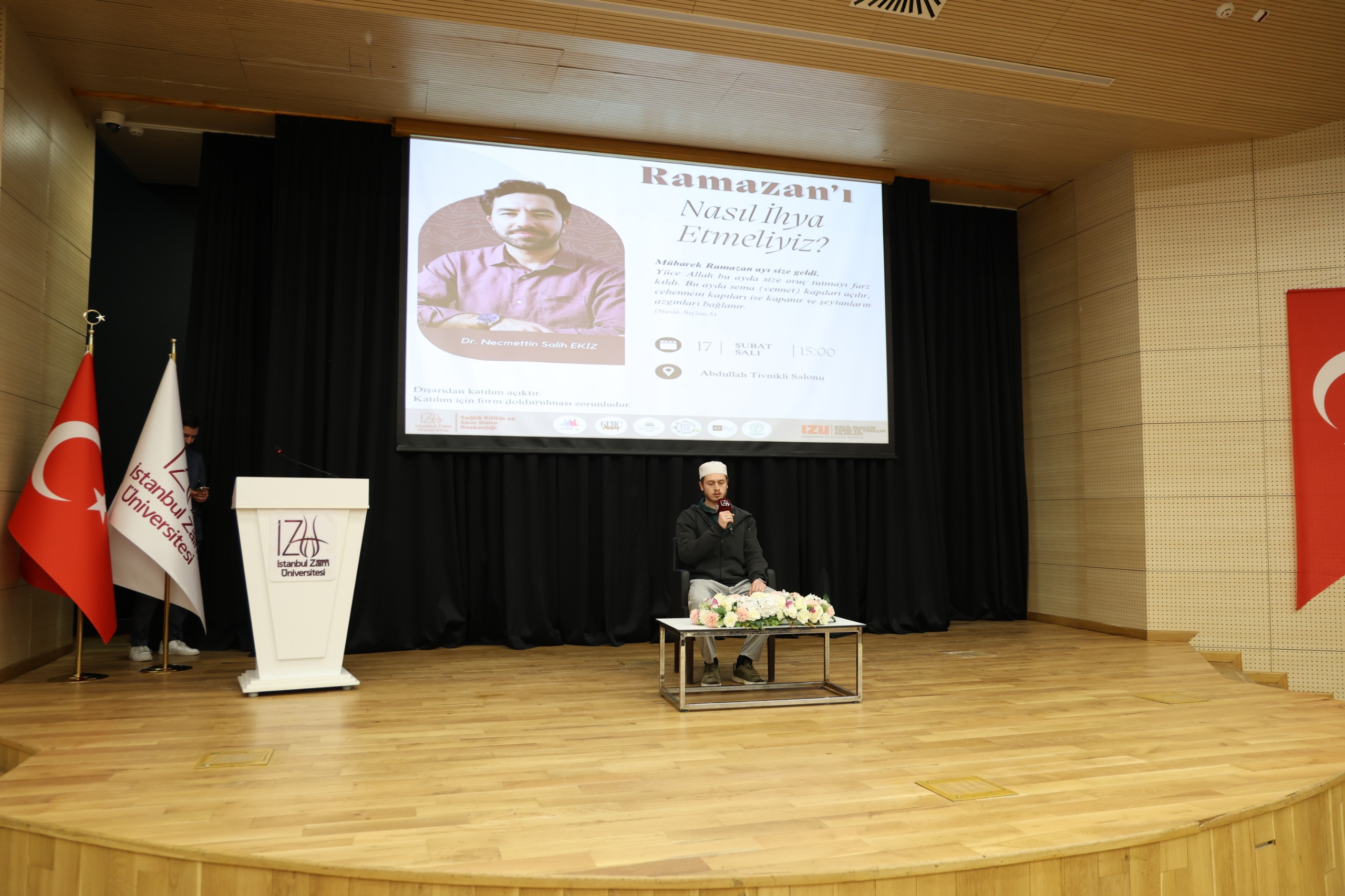
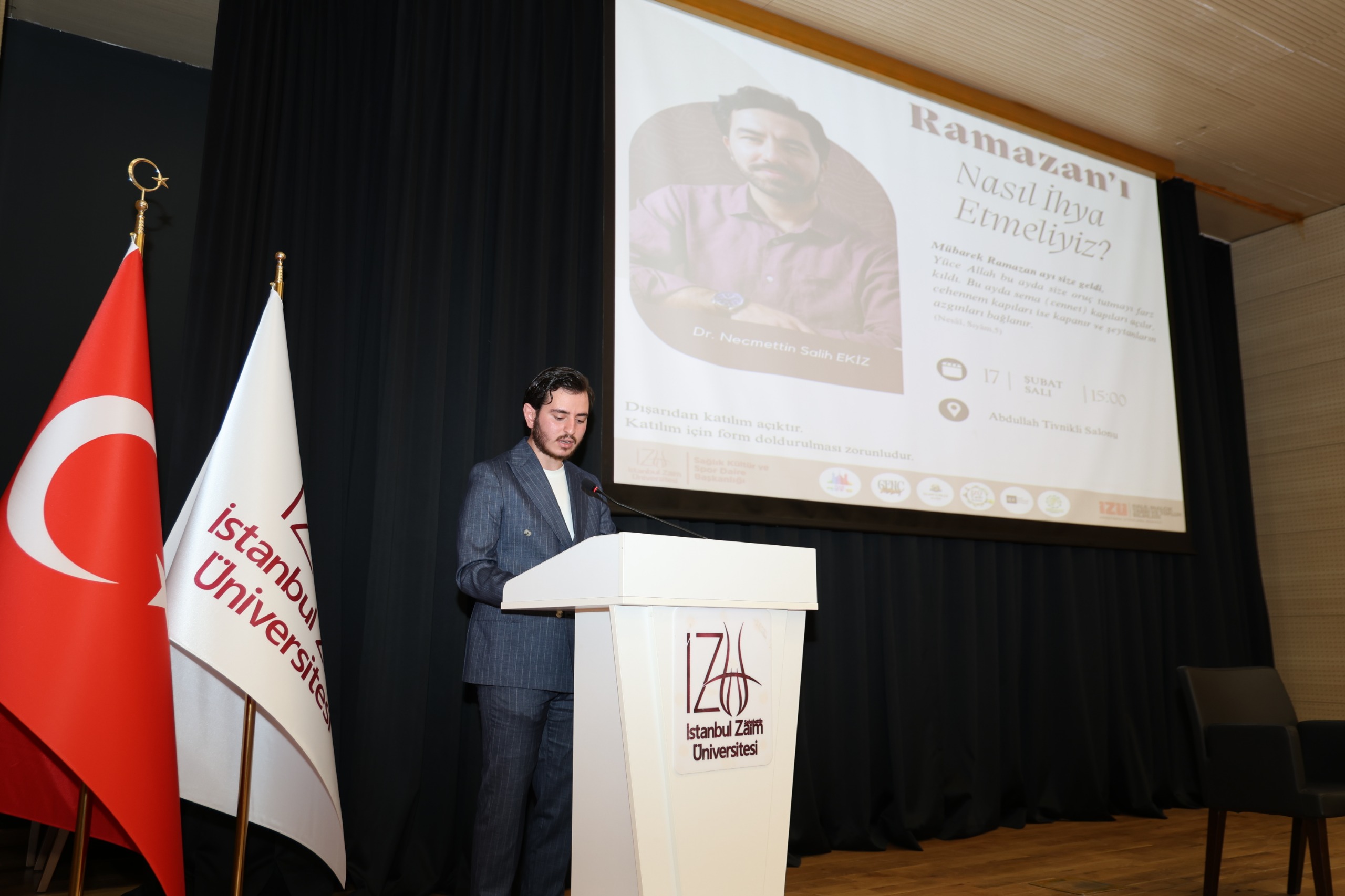
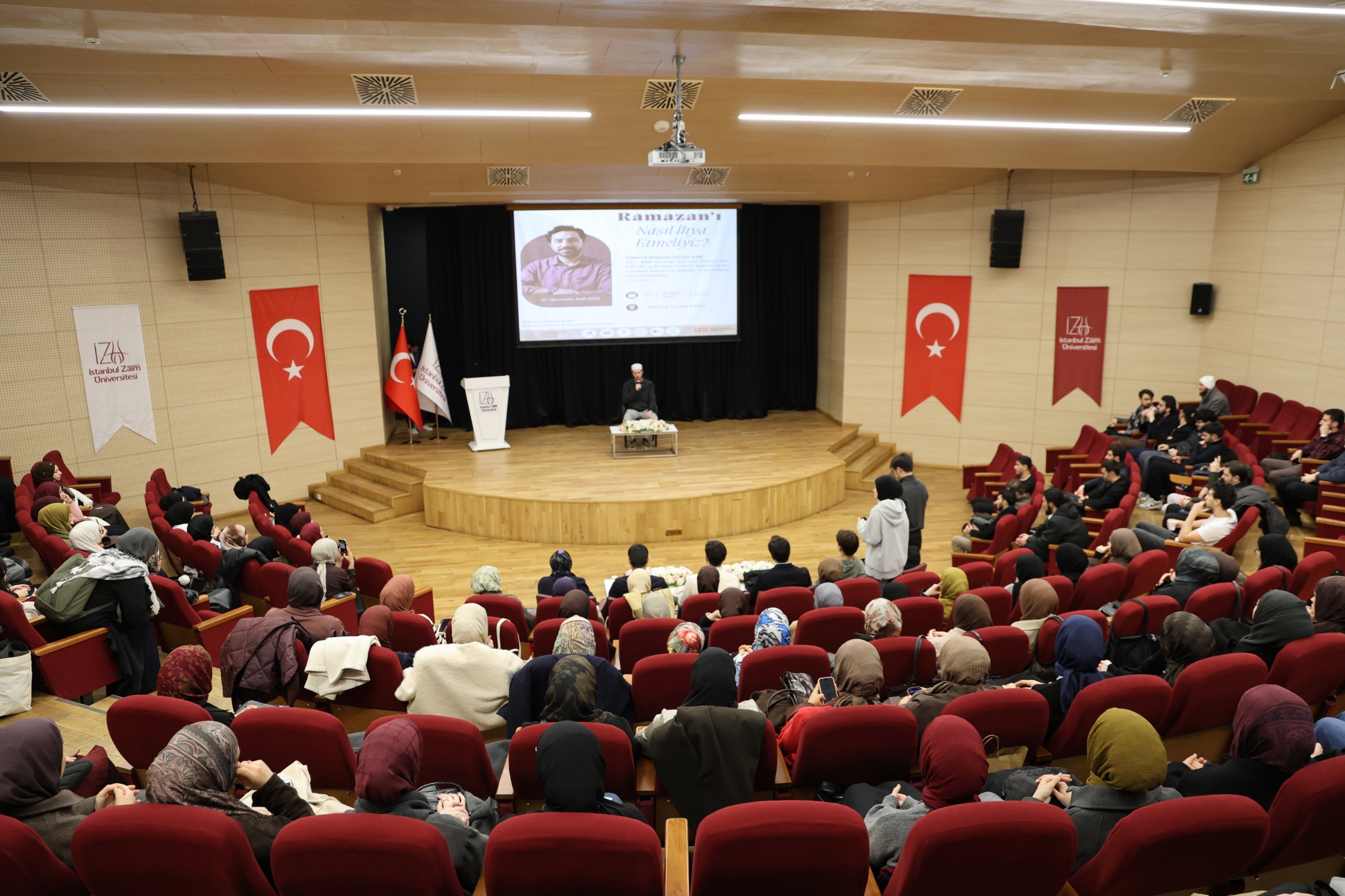
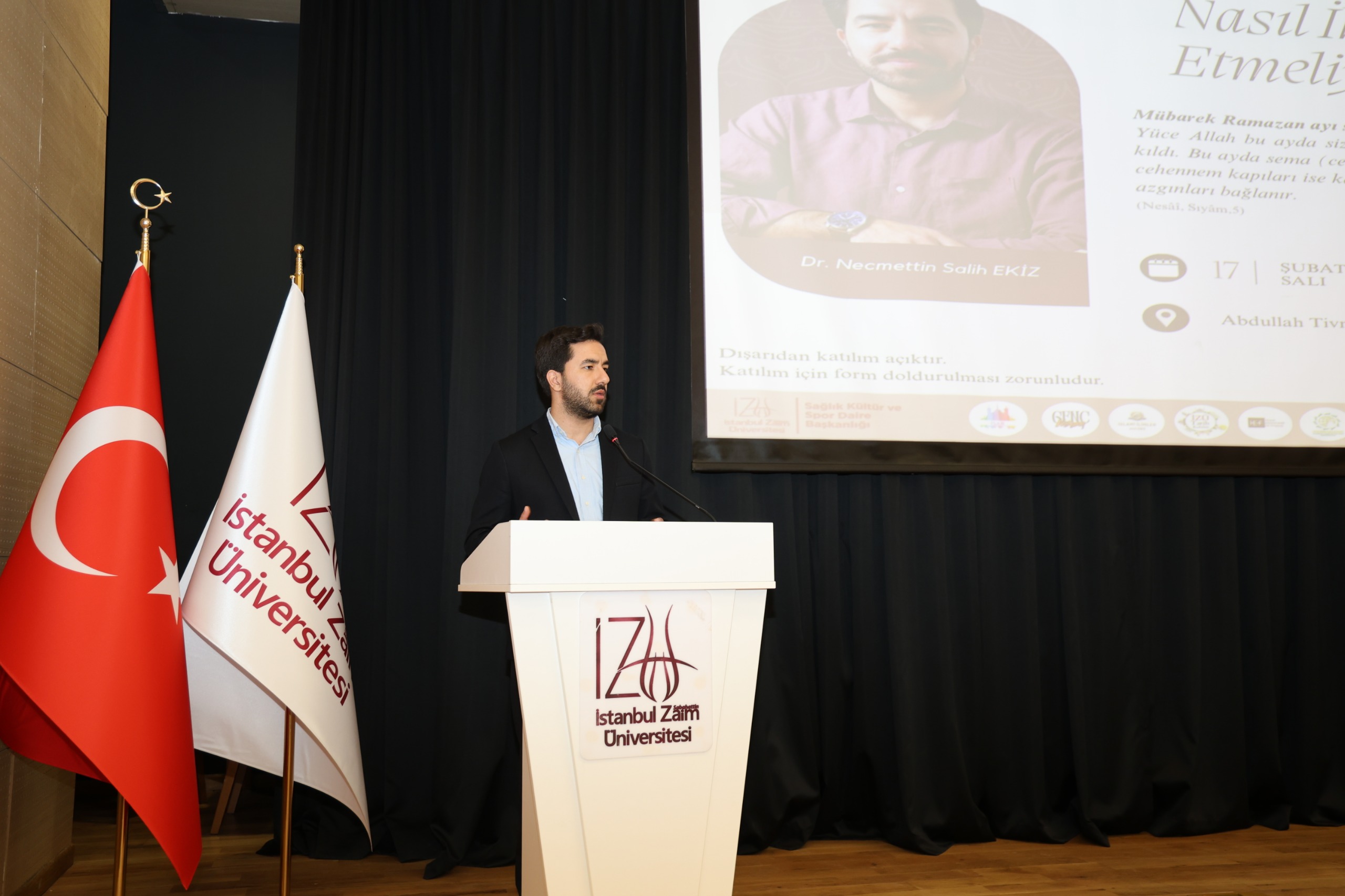
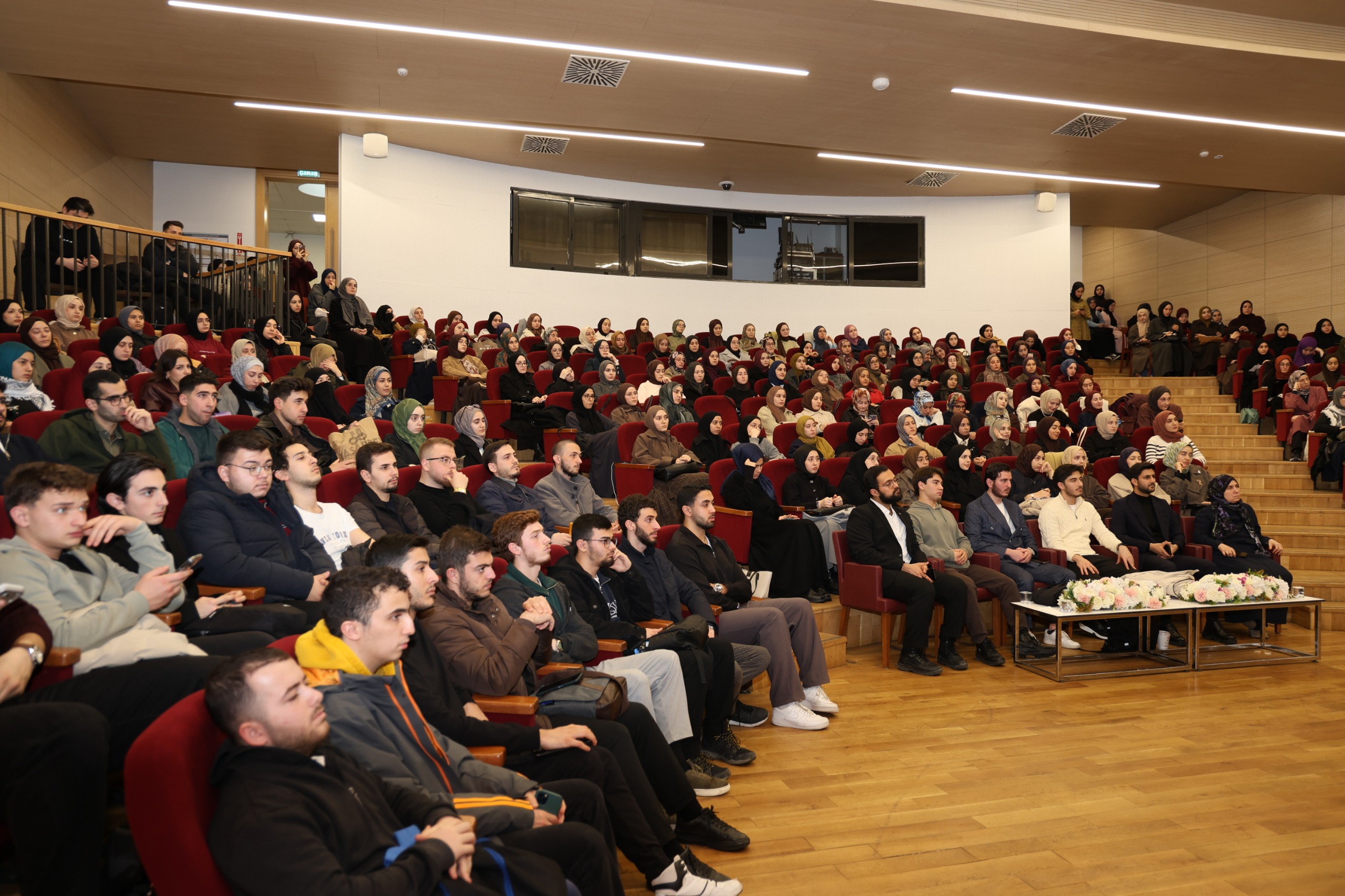
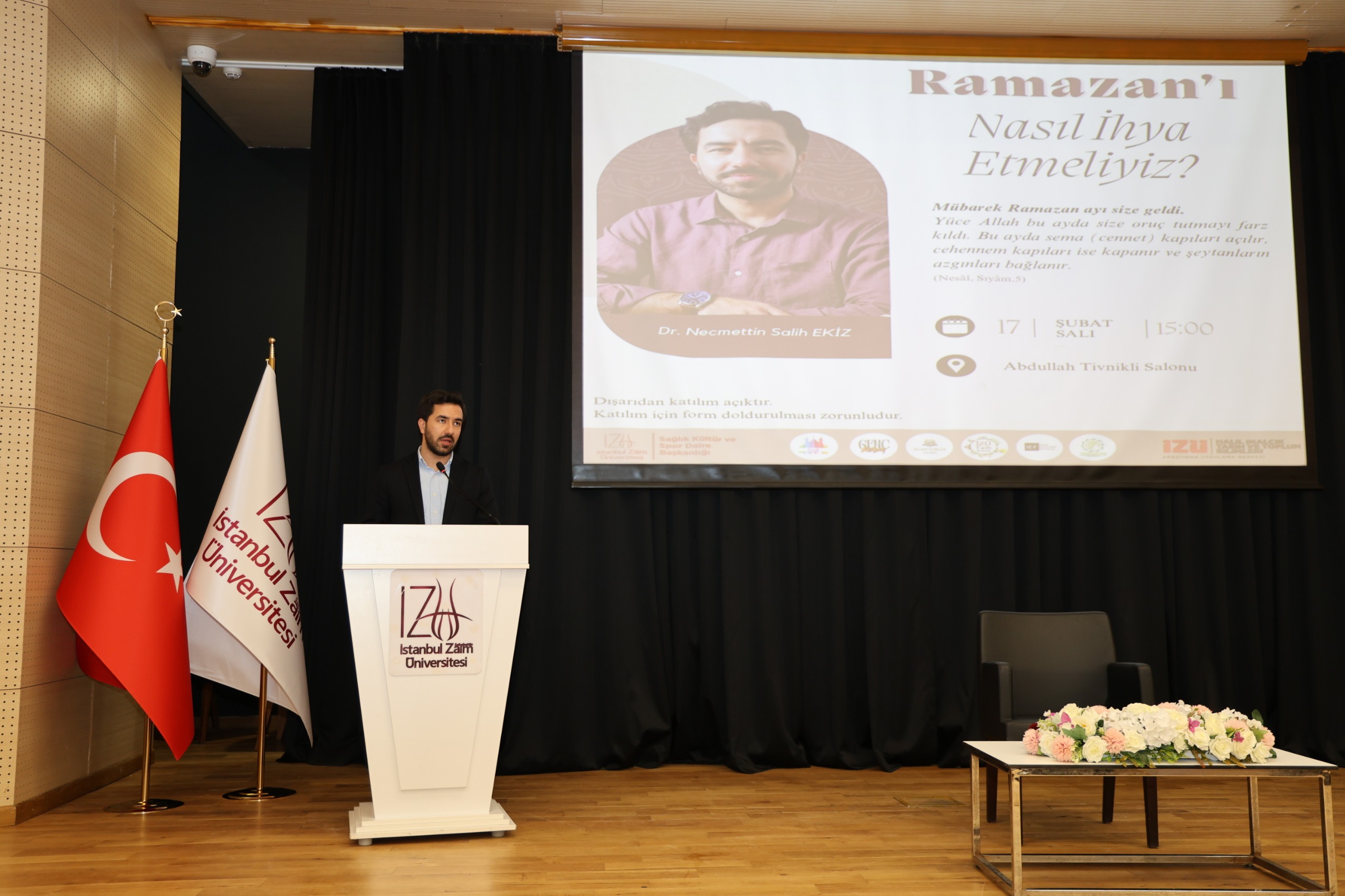
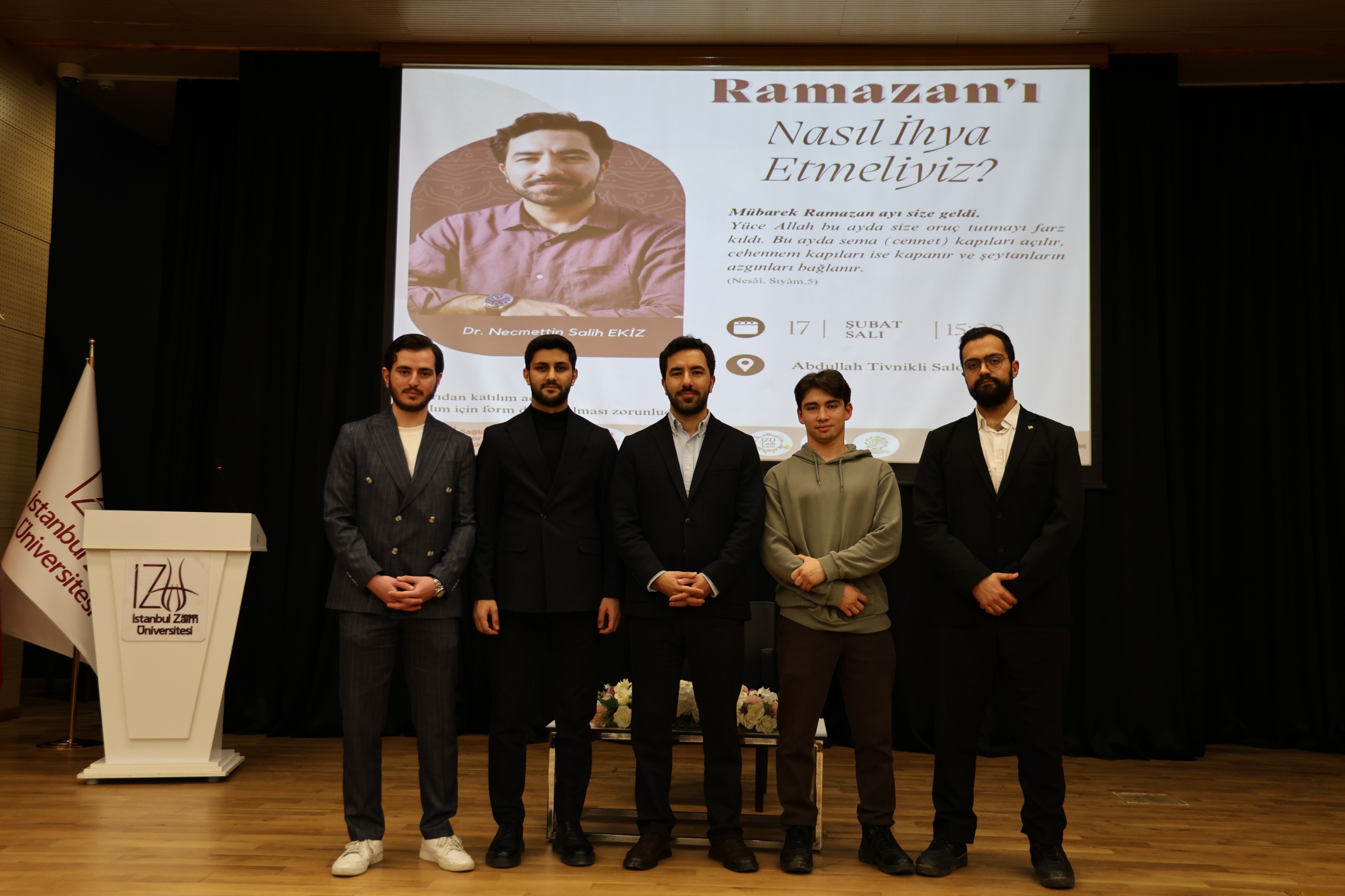
In the program titled “How Should We Observe Ramadan?” featuring Dr. Necmettin Salih Ekiz as the speaker, the process through which fasting was made obligatory, the social and individual dimensions of fasting, and the meaning of the month of Ramadan were discussed.
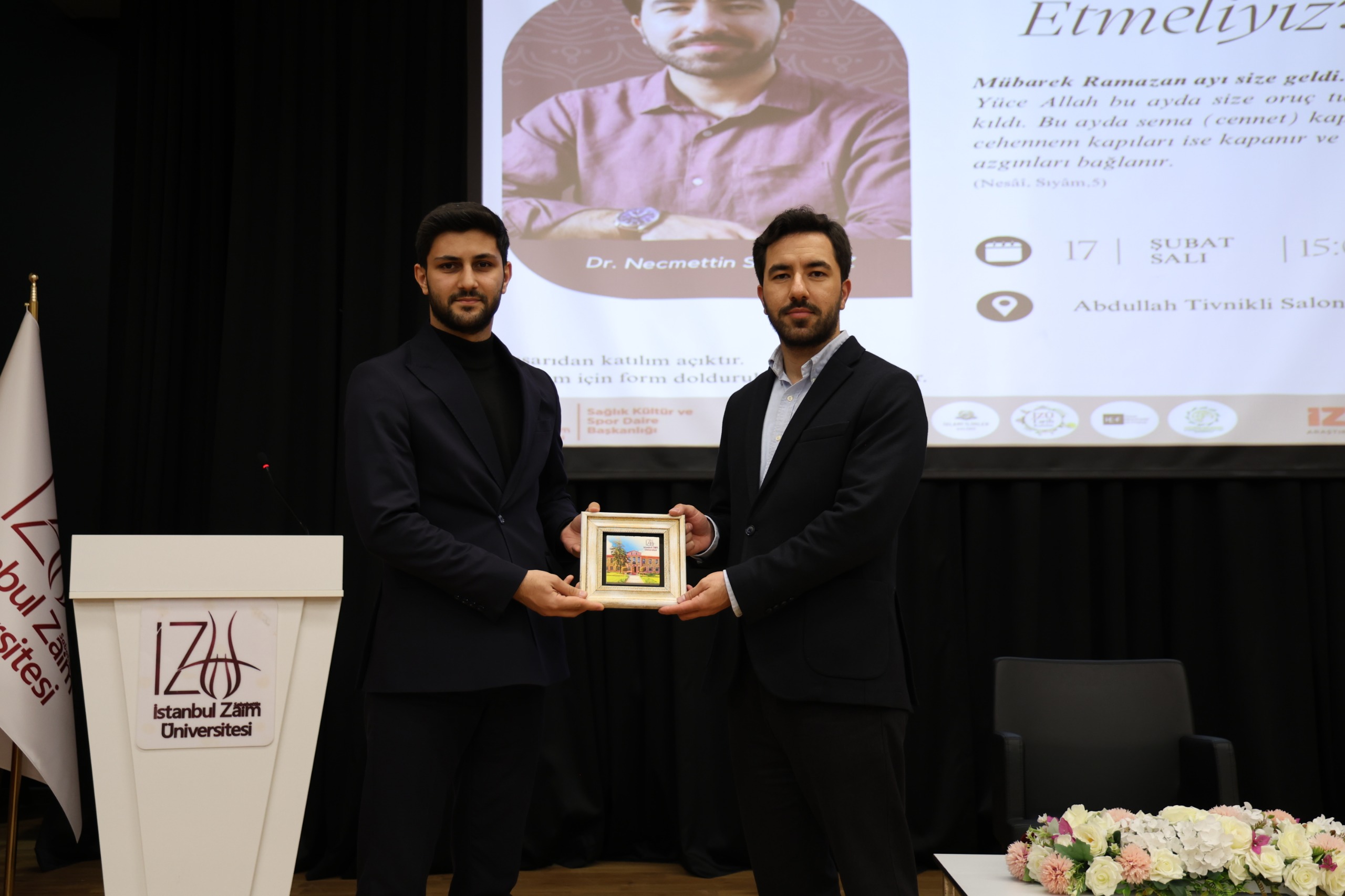
Dr. Necmettin Salih Ekiz, faculty member of the Faculty of Theology at Düzce University, was a guest at Istanbul Sabahattin Zaim University as part of the program titled “How Should We Observe Ramadan?” Organized jointly by the Halil İnalcık Center for History and Social Sciences Studies and IZU student clubs, the program featured Ekiz seeking answers to the questions: “What does Ramadan mean to us?” “Why does a month called Ramadan exist, and why do we fast during this month?” and “Is what makes Ramadan valuable the fasts we observe and the tarawih prayers we perform, or are there other reasons?”
Addressing the process by which fasting was made obligatory in light of Surah Al-Baqarah, Ekiz referred to the tension of belief between Jews and Muslims following the migration of Muslims to Medina and the historical meanings embedded in the obligation of fasting during Ramadan. He stated, “Fasting should not be considered as an act of worship in isolation. Understanding well the period and context in which it was made obligatory brings us closer to the answer to the question, ‘Why do we fast?’”
“FASTING BRINGS US CLOSER TO TAQWA”
“Ramadan is the month in which the Qur’an was revealed. The verse stating that the Qur’an was revealed in Ramadan also appears in Surah Al-Baqarah,” said Ekiz. After outlining the historical framework of Ramadan as the month of the Qur’an, he also addressed the individual meanings of this month. “The purpose of fasting is explained in Surah Al-Baqarah as attaining taqwa. This is the only benefit explicitly stated in the Qur’an. Taqwa means protection. Being called to taqwa means protecting yourselves from the punishment of Allah. It is not fear itself, but the precaution taken as a result of fear that is called taqwa,” he said, adding that Ramadan is an annual training in taqwa.
News Gallery
Other News
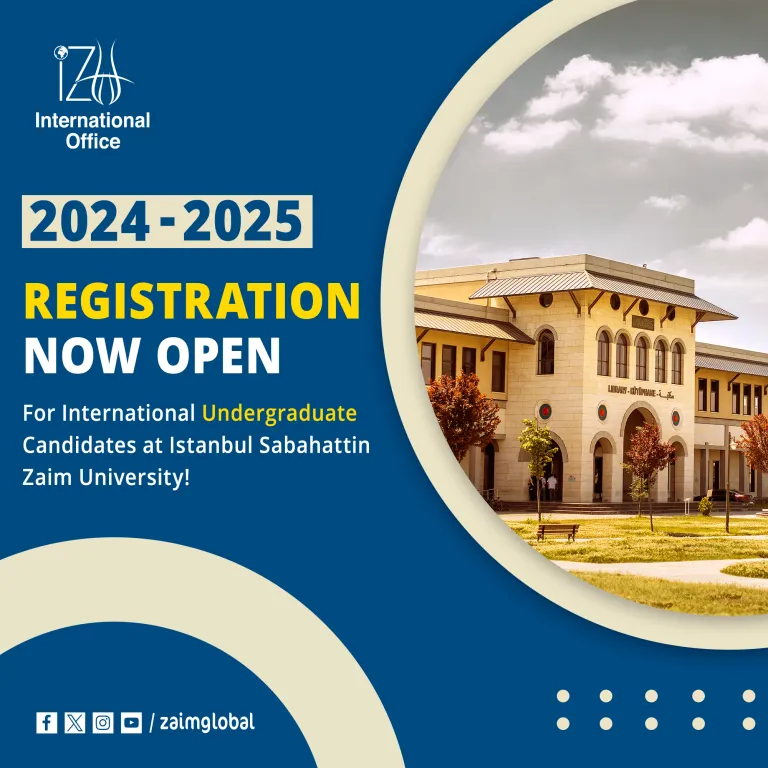
Registration Now Open for International Undergraduate Candidates at Istanbul Sabahattin Zaim University!
We are delighted to announce that registration is now open for international undergraduate candidates at Istanbul Sabahattin Zaim University! This is a wonderful opportunity for students from around the globe to join our esteemed institution and become part of our vibrant academic community. Apply NOW to secure your place and receive your acceptance letter promptly.
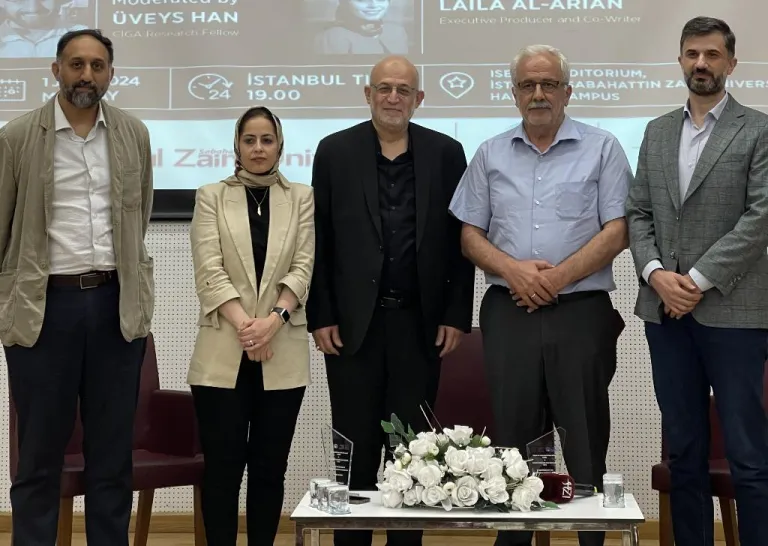
Successful Screening and Discussion of "The Night Won't End" at Istanbul Sabahattin Zaim University
On July 1st, 2024, Istanbul Sabahattin Zaim University's Center for Islam and Global Affairs (CIGA) hosted a successful screening of the documentary film "The Night Won't End," focusing on Gaza.
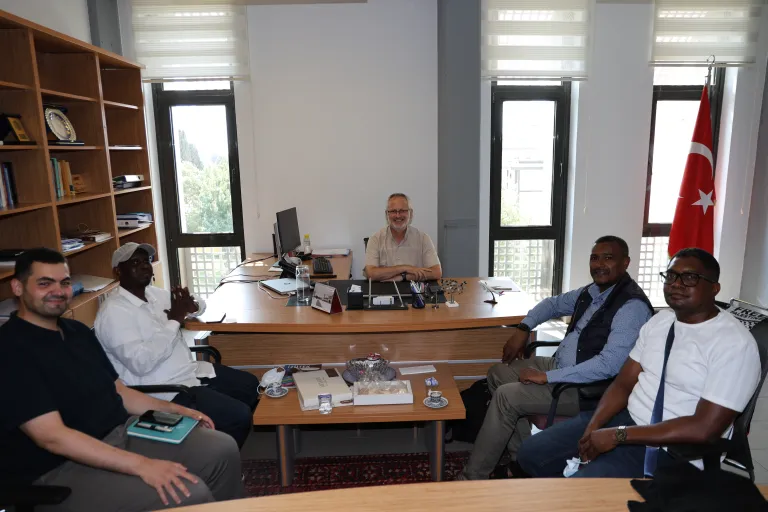
Dr. Mbwarali Kame and Team Visit Istanbul Sabahattin Zaim University
On 23rd July, Istanbul Sabahattin Zaim University (IZU) had the distinct pleasure of hosting Dr. Mbwarali Kame, County Executive Committee Member (CECM) for the Department of Education, County Government of Mombasa, Kenya, along with his esteemed team.
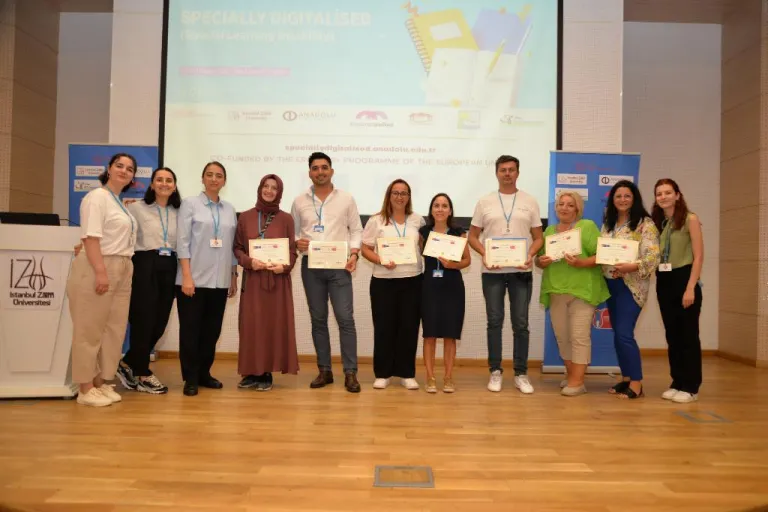
Specially Digitalised (Special Learning Disability) ERASMUS Project
Specially Digitalised (Special Learning Disability) ERASMUS Project